Quotessence
Home / Quotes / Quote by Oscar Wilde

Quote by Oscar Wilde

“Things are because we see them, and what we see, and how we see it, depends on the Arts that have influenced us. To look at a thing is very different from seeing a thing. One does not see anything until one sees its beauty. Then, and then only, does it come into existence. At present, people see fogs, not because there are fogs, but because poets and painters have taught them the mysterious loveliness of such effects. There may have been fogs for centuries in London. I dare say there were. But no one saw them, and so we do not know anything about them. They did not exist till Art had invented them.”

Quote by Oscar Wilde

Work

The Decay of Lying and Other Essays

Browse quotes and source details for this work. more

Author
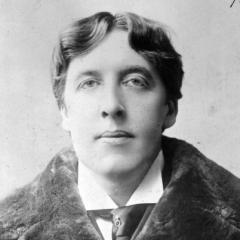
Oscar Wilde
Oscar Wilde

Oscar Wilde, born on October 16, 1854, in Ireland, and died on November 30, 1900, was a renowned Irish writer, playwright, and poet. His works are known for their wit, satire, and unique style, with notable works including 'The Picture of Dorian Gray' and 'Lady Windermere's Fan'. more

You May Also Like

“To me, migration means movement. While I was painting, I thought about trains and people walking to the stations. I thought about field hands leaving their farms to become factory workers, and about the families that sometimes got left behind. The choices made were hard ones, so I wanted to show what made the people get on those northbound trains. I also wanted to show just what it cost to ride them. Uprooting yourself from one way of life to make your way in another involves conflict and struggle. But out of the struggle comes a kind of power, and even beauty. I tried to convey this in the rhythm of the pictures, and in the repetition of certain images. "And the migrants kept coming" is a refrain of triumph over adversity. My family and others left the South on a quest for freedom, justice, and dignity. If our story rings true for you today, then it must still strike a chord in our American experience.”

“The body of the Word, then, being a real human body, in spite of its having been uniquely formed from a virgin, was of itself mortal and, like other bodies, liable to death. But the indwelling of the Word loosed it from this natural liability, so that corruption could not touch it. Thus is happened that two opposite marvels took place at once: the death of all was consummated in the Lord's body; yet, because the Word was in it, death and corruption were in the same act utterly abolished.”

“The books that lined the walls from floor to ceiling sat there quietly, never calling out for attention or advertising themselves with gaudy covers. But even if they appeared to be nothing more than unadorned paper boxes from the outside, they exuded a beauty equal to anything created by a sculptor or potter. Even though the meaning of the words printed on their pages was so profound it could never have been contained by those boxes, the books never let on to their depths. They waited patiently until someone picked them up and opened their covers.”