“C'est donc la proportion existante entre la somme des capitaux et celle des revenus qui détermine partout la proportion dans laquelle se trouveront l'industrie et la fainéantise ; partout où les capitaux l'emportent, c'est l'industrie qui domine ; partout où ce sont les revenus, la fainéantise prévaut. Ainsi, toute augmentation ou diminution dans la masse des capitaux tend naturellement à augmenter ou à diminuer réellement la somme de l'industrie, le nombre des gens productifs et, par conséquent, la valeur échangeable du produit annuel des terres et du travail du pays, la richesse et le revenu réel de tous ses habitants. Les capitaux augmentent par l'économie ; ils diminuent par la prodigalité et la mauvaise conduite.”
Quote by Adam Smith
Work
An inquiry into the nature and causes of the wealth of nations
This classic text delves into the principles of economics, analyzing the production, distribution, and consumption of goods and services, and their impact on economic growth and societal welfare. more
Author
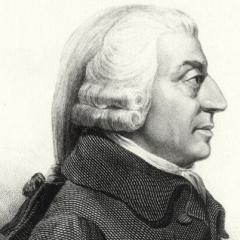
Adam Smith
Adam Smith, a renowned philosopher and economist from Britain, was born on June 5, 1723, and died on July 17, 1790. Known as the father of modern economics, his work 'The Wealth of Nations' had a profound impact on the development of economics. more
You May Also Like
“Capitalism is an ability to stay rich and keep getting rich.”
Source: Love: Expressed
Source: Historias de Londres
Source: The Phantom Ship
Source: Sans Destination
“A friend with seed (capital), is a business-man in deed.”
Source: Guru with Guitar
Source: Testo Junkie: Sex, Drugs, and Biopolitics in the Pharmacopornographic Era