Quotessence
Home / Authors / Ann Petry
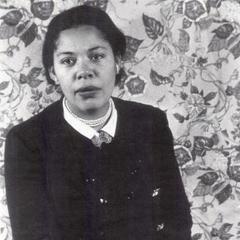
Ann Petry

Ann Petry Quotes

Author

Filter quotes by topic

Famous Ann Petry Quotes

“Back in the eighteenth century I would have been a sliver-collar boy. Did you ever hear about them? The highborn ladies of the court collected monkeys and peacocks and little blackamoors for pets. Slender young dark brown boys done up in silk with turbans wrapped around their heads and silver collars around their necks, and the name of the lady to whom they belonged was engraved on the silver collar. They were supposed to be pets like the peacocks and the monkeys, but in the old oil paintings, the lady's delicate white hand always fondled the silkclad shoulder of the silver-collar boy. So you knew they were something more useful, more serviceable--”

“And she got the feeling that Boots Smith's relationship to this swiftly moving car was no ordinary one. He wasn't just a black man driving a car at a pell-mell pace. He had lost all sense of time and space as the car plunged forward into the cold, white night. The act of driving the car made him feel he was a powerful being who could conquer the world. Up over hills, fast down on the other side. It was like playing god and commanding everything within hearing to awaken and listen to him. The people sleeping in the white farmhouses were at the mercy of the sound of his engine roaring past in the night. It brought them half-awake—disturbed, uneasy. The cattle in the barns moved in protest, the chickens stirred on their roosts and before any of them could analyze the sound that had alarmed them, he was gone—on and on into the night. And she knew, too, that this was the reason white people turned scornfully to look at Negroes who swooped past them on the highways. 'Crazy niggers with autos' in the way they looked. Because they sensed that the black men had to roar past them, had for a brief moment to feel equal, feel superior; had to take reckless chances going around curves, passing on hills, so that they would be better able to face a world that took pains to make them feel that they didn't belong, that they were inferior. Because in that one moment of passing a white man in a car they could feel good and the good feeling would last long enough so that they could hold their heads up the next day and the day after that. And the white people in the cars hated it because—and her mind stumbled over the thought and then went on—because possibly they, too, needed to go on feeling superior. Because if they didn't, it upset the delicate balance of the world they moved in when they could see for themselves that a black man in a ratclap car could overtake and pass them on a hill. Because if there was nothing left for them but that business of feeling superior to black people, and that was taken away even for the split second of one car going ahead of another, it left them with nothing.”

“Black was bestlooking. ... Ebony was the best wood, the hardest wood; it was black. Virginia ham was the best ham. It was black on the outside. Tuxedos and tail coats were black and they were a man's finest, most expensive clothes. You had to use pepper to make most meats and vegetables fit to eat. The most flavorsome pepper was black. The best caviar was black. The rarest jewels were black: black opals, black pearls.”