“When a coward sees a man he can beat he becomes hungry for a fight.”
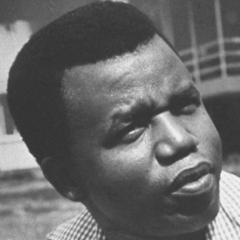
Filter quotes by topic
Famous Chinua Achebe Quotes
“[Would] a sensible man spit out the juicy morsel that good fortune put in his mouth?”
Source: Things Fall Apart: Authoritative Text, Contexts and Criticism
Source: Conversations with Chinua Achebe
“We do not seek to hurt any man, but if any man seeks to hurt us may he break his neck.”
Source: No Longer at Ease
Source: Conversations with Chinua Achebe
Source: Things Fall Apart
Source: Things Fall Apart: Authoritative Text, Contexts and Criticism
Source: Things Fall Apart: Authoritative Text, Contexts and Criticism
Source: Things Fall Apart
Source: Things Fall Apart
Source: Things Fall Apart: Authoritative Text, Contexts and Criticism
“A man who pays respect to the great paves the way for his own greatness”
“Procrastination is a lazy man's apology.”
Source: Girls at War
Source: Things Fall Apart
“A man who makes trouble for others is also making trouble for himself.”
“An angry man is always a stupid man.”
Source: Anthills of the Savannah
Source: Things Fall Apart
“Wisdom is like a goatskin bag; every man carries his own.”
Source: Arrow of God
“When a mad man walks naked, it is his kinsmen who feel shame, not himself.”
Source: A Man of the People
“A man of worth never gets up to unsay what he said yesterday.”
Source: A Man of the People
Source: Arrow of God
Source: No Longer at Ease
“When a new saying gets to the land of empty men, they lose their heads over it.”
Source: No Longer at Ease
“A man who does not lick his lips, can he blame the harmattan for drying them?”
Source: Hopes and impediments: selected essays
“A man who lived on the banks of the Niger should not wash his hands with spittle.”
Source: No Longer at Ease
Source: Arrow of God
“What a man does not know is greater than he.”
Source: Arrow of God
Source: Arrow of God
“The language of young men is pull down and destroy; but an old man speaks of conciliation.”
Source: Arrow of God
“There was a saying in Umuofia that as a man danced so the drums were beaten for him.”
Source: Things Fall Apart
“You might as well say that the woman lies on top of the man when they are making the babies.”
Source: Things Fall Apart: Authoritative Text, Contexts and Criticism
Source: Things Fall Apart
Source: No Longer at Ease