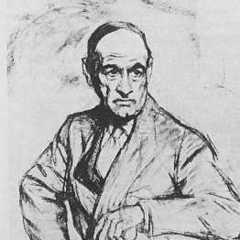
“Strictly speaking, the mass, as a psychological fact, can be defined without waiting for individuals to appear in mass formation. In the presence of one individual we can decide whether he is "mass" or not. The mass is all that which sets no value on itself good or ill based on specific grounds, but which feels itself "just like everybody," and nevertheless is not concerned about it; is, in fact, quite happy to feel itself as one with everybody else.” FeelsFactsValuesIndividualWaitingMassConcernedIllPsychologicalDefinedNeverthelessFormation Author:Jose Ortega y Gasset
“The history of the Roman Empire is also the history of the uprising of the Empire of the Masses, who absorb and annul the directing minorities and put themselves in their place. Then, also, is produced the phenomenon of agglomeration, of "the full." For that reason, as Spengler has very well observed, it was necessary, just as in our day, to construct enormous buildings. The epoch of the masses is the epoch of the colossal.” WellsReasonBuildingMassEnormousMinoritiesEmpiresPhenomenonConstructsRoman EmpireUprisingEpochColossal Book:the Revolt of the Masses Source: the Revolt of the Masses
“[T]he mass-man sees in the State an anonymous power, and feeling himself, like it, anonymous, he believes that the State is something of his own. Suppose that in the public life of a country some difficulty, conflict, or problem presents itself, the mass-man will tend to demand that the State intervene immediately and undertake a solution directly with its immense and unassailable resources. This is the gravest danger that to-day threatens civilisation: State intervention; the absorption of all spontaneous social effort by the State.” MenBelieveCountryStatesFeelingsProblemSocialEffortDangerDemandConflictMassSolutionsResourcesDifficultyImmenseSpontaneousInterventionCivilisationPublic LifeAbsorption Book:the Revolt of the Masses Source: the Revolt of the Masses
“The masses think that is is easy to flee from reality, when it is the most difficult thing in the world.” ThinkingWorldRealityEasyDifficultMassDifficult Things Author:Jose Ortega y Gasset
“The tapestry of history that seems so full of tragedy when viewed from the front has countless comic scenes woven into its reverse side. In truth, tragedy and comedy are the twin masks of history - its mass appeal.” SeemsSidesHistoryComedyFrontsSceneMassTragedyComicAppealsMaskTwinsReverseWovenTapestryTragedy And Comedy Author:Jose Ortega y Gasset
“This leads us to note down in our psychological chart of the mass-man of today two fundamental traits: the free expansion of his vital desires, and, therefore, of his personality; and his radical ingratitude towards all that has made possible the ease of his existence. These traits together make up the well-known psychology of the spoilt child.” MenWellsChildrenMadeTwoTodayTogetherDesireExistenceKnownPsychologyPersonalityMassFundamentalsNotesPsychologicalRadicalEaseTraitsExpansionWell KnownIngratitudeSpoilt Book:the Revolt of the Masses Source: the Revolt of the Masses
“The mass believes that it has the right to impose and to give force of law to notions born in the café.” GivingBelieveLawForceBornMassNotion Author:Jose Ortega y Gasset