“Confronted with the unhappy facts of exclusion, we sometimes reassure ourselves by telling stories: the poor boys who made it, theblacks who became a "credit to their race," the women elected to high office, the handicapped who made "useful contributions" to our society.... Just as we believe in the self-sufficient family, we also believe that any child with enough grit and ability can escape poverty and make a rewarding life. But these stories and beliefs clearly reflect the exceptions.” BelieveChildrenMadeSelfSometimesEnoughFactsStoriesBeliefAbilityPoorRaceBoysPovertyOfficeCreditUnhappyMade ItSufficientContributionExceptionOur SocietyGritExclusionTelling StoriesSelf SufficientHandicappedPoor Boy Book:All Our Children: The American Family Under Pressure Source: All Our Children: The American Family Under Pressure
“The myth of self-sufficiency blinds us to the workings of other forces in family life. For families are not now, nor were they ever, the self-sufficient building blocks of society, exclusively responsible, praiseworthy, and blamable for their own destiny. They are deeply influenced by broad social and economic forces over which they have little control.” LittlesSelfForceSocialCommunityDestinyEconomicBuildingResponsibleMythBlockSufficientBroadsFamily LifeSelf SufficiencySufficiencySelf SufficientBuilding BlocksPraiseworthy Book:All Our Children: The American Family Under Pressure Source: All Our Children: The American Family Under Pressure
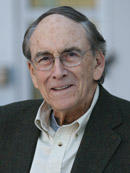
“Recognizing that family self-sufficiency is a false myth, we also need to acknowledge that all today's families need help in raising children. The problem is not so much to reeducate parents but to make available the help they need and to give them enough power so that they can be effective advocates with and coordinators of the other forces that are bringing up their children.” NeedsGivingChildrenSelfEnoughHelpingProblemTodayForceParentAvailableMythAcknowledgeRecognizingRaising ChildrenNeed HelpSelf SufficiencySufficiencyCoordinator Author:Kenneth Keniston
“One current reaction to change in families, for example, is the proposal for more "education for parenthood," on the theory that this training will not only teach specific skills such as how to change diapers or how to play responsively with toddlers, but will raise parents' self-confidence at the same time. The proposed cure, in short, is to reform and educate the people with the problem.” PeopleSelfPlayProblemParentTeachExampleTheorySkillsTrainingRaisesCurrentsSelf ConfidenceReactionsCuresReformParenthoodEducateProposalDiapersToddler Author:Kenneth Keniston
“Parents still have primary responsibility for raising children, but they must have the power to do so in ways consistent with their children's needs and their own values.... We must address ourselves less to the criticism and reform of parents themselves than to the criticism and reform of the institutions that sap their self-esteem and power.” WayNeedsChildrenStillsSelfValuesParentResponsibilitySelf EsteemCriticismInstitutionsEsteemReformPrimariesAddressesConsistentRaising ChildrenSap Book:All Our Children: The American Family Under Pressure Source: All Our Children: The American Family Under Pressure
“In the early nineteenth century, the doctrine of self-sufficiency came to apply to families as well as individuals.... The familybecame a special protected place, the repository of tender, pure, and generous feelings (embodied by the mother) and a bulwark and bastion against the raw, competitive, aggressive, and selfish world of commerce (embodied by the father).... In performing this protective task, the good family was to be as self-sufficient as the good man.” MenWorldWellsSelfFeelingsMotherFatherIndividualSpecialCenturyPureTasksSelfishDoctrinePerformingGenerousSufficientGood ManAggressiveProtectedCommerceProtectiveNineteenth CenturySelf SufficiencySufficiencySelf SufficientGood FamilySelfish World Author:Kenneth Keniston
“The myth of the self-sufficient individual and of the self-sufficient, protected, and protective familytells us that those who need help are ultimately inadequate. And it tells us that for a family to need help--or at least to admit it publicly--is to confess failure. Similarly, to give help, however generously, is to acknowledge the inadequacy of the recipients and indirectly to condemn them, to stigmatize them, and even to weaken what impulse they have toward self-sufficiency.” NeedsGivingSelfHelpingIndividualMythImpulseAcknowledgeSufficientProtectedProtectiveInadequateNeed HelpInadequacySelf SufficiencySufficiencySelf Sufficient Author:Kenneth Keniston