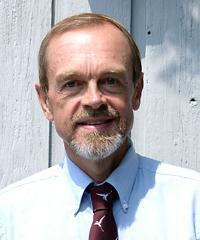
“Sometime during the 1990s, when I was teaching philosophy at UCSD, my friend, colleague, and music teacher, Carol Plantamura, discussed the possibility of teaching a course together looking at ways in which various literary works (plays, stories, novels) had been treated as operas, and how different themes emerged in the opera and in its original. One of the pairings we planned to use was Mann's great novella and Britten's opera. Unfortunately, the course was never taught, but the idea remained with me.” WayIdeasDifferentPhilosophyPlayStoriesUseTogetherCoursesNovelTeacherTeachingPossibilityTaughtMy FriendsOriginalsVariousTreatedThemeOperaColleaguesCarolsLiterary WorksMusic TeacherWork Play Author:Philip Kitcher
“Many of the greatest works of philosophy seem to me to be valuable not because of their arguments, but because they offer us perspectives that open up new possibilities. They show us how we might start in different places, and not buy into the assumptions tacitly made on the first pages of the philosophical works that have influenced us.” FirstsMadeDifferentPhilosophyShowsSeemsMightPossibilityPerspectiveOffersPagesArgumentPhilosophicalValuableAssumptionDifferent PlaceNew Possibilities Author:Philip Kitcher
“Consider the different narrative styles within the story, and the glee with which the "moralistic narrator" celebrates Aschenbach's fall - maybe, then, this is a hostile verdict and the international fame is warranted after all (given that Mann modeled his protagonist so closely on himself, it would be quite odd if he had intended Aschenbach's literary inferiority to be a fixed part of the interpretation).” IfsDifferentStoriesWould BeFallGivenStyleFameInternationalCelebrateNarrativeOddFixedInterpretationHostileInferiorityProtagonistsGleeVerdictNarrators Author:Philip Kitcher
“So my methodological approach is to draw on many different features in highlighting different facets of the novella (and the opera and the film).” DifferentFilmApproachDrawsFeaturesOperaFacetsHighlighting Author:Philip Kitcher
“The balance between literature and philosophy in Schopenhauer and Nietzsche is different from that struck in the novella, but, as Mann clearly pointed out in his writings about both thinkers, both modes are present.” WritingDifferentPhilosophyLiteratureBalanceThinker Author:Philip Kitcher
“Any writer who could handle all these different voices would deserve high praise, but to do so without any sense of jarring or incoherence is an extraordinary accomplishment.” DifferentVoiceDeservePraiseExtraordinaryHandleAccomplishmentDifferent VoicesIncoherence Author:Philip Kitcher
“Mann was conscious of adopting different perspectives in different parts of the novella, but my guess is that there are plenty of passages in which the resonance of the words he chose struck him as exactly right (even though he didn't probe to discover exactly what tone or narrative device gave them that effect).” DifferentEffectsPerspectiveConsciousPlentyNarrativeToneDevicesPassagesResonanceDifferent PerspectiveAdopting Author:Philip Kitcher
“Klaus Mann saw very clearly how different was his own (more liberated) form of homosexuality from the same-sex attractions of his father - and that is reiterated in TM's diary queries about "how two men can sleep together".” MenTwoDifferentTogetherFormFatherSexSleepSawsAttractionHomosexualityDiariesLiberatedQueries Author:Philip Kitcher
“Mann and Joyce are very different, and yet their fiction often appeals to the same people: Harry Levin taught a famous course on Joyce, Proust, and Mann, and Joseph Campbell singled out Joyce and Mann as special favorites. To see them as offering "possibilities for living", as I do, isn't to identify any distinctive commonality. After all, many great authors would fall under that rubric.” PeopleDifferentFallCoursesFictionSpecialPossibilityTaughtAppealsOfferingDistinctiveJoyceCommonalityProustGreat AuthorRubrics Author:Philip Kitcher
“I was occupied by a range of questions, often different from those fashionable in the professional philosophy of the past half century, that have sometimes troubled philosophers in the past. It's taken me several decades to work out my own philosophical agenda, and it is wide.” DifferentSometimesPhilosophyPastMy OwnHalfTakenCenturyPhilosophicalPhilosopherWork OutWideDecadesRangeAgendasFashionable Author:Philip Kitcher
“Philosophers ought to aspire to know lots of different things and to forge useful synthetic perspectives.” KnowsDifferentPerspectiveOughtPhilosopherDifferent ThingsAspireSynthetic Author:Philip Kitcher
“A different vision of ethics is that of a collection of resources people can use to act better. The resources might be firm rules that could always be relied on. Or they might be ideals that could often be followed without thinking but that sometimes conflicted with one another.” PeopleThinkingDifferentSometimesUseMightVisionEthicsResourcesIdealsFirmCollectionsOften Is Author:Philip Kitcher
“If there are to be appropriate judgments about what questions are significant, you need both the informed views of scientists who know what has been achieved and what future developments are promising and the reflective judgments of representatives of different groups who can identify what kinds of information are most urgently needed.” IfsKnowsNeedsKindHas BeensDifferentViewsGroupsInformationDevelopmentNeededJudgmentScientistSignificantAppropriateRepresentativesFuture Development Author:Philip Kitcher
“In my view, all students should be given an initial opportunity to pursue the science track as far as it goes. But for those who quickly decide that track isn't for them, a different style of teaching is in order.” ShouldDifferentOrderOpportunityGivenViewsTeachingStyleStudentsTrackPursueInitialsDifferent Styles Author:Philip Kitcher