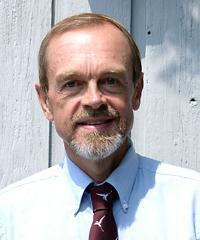
“As I read Mann in German for the first time, the full achievement - both literary and philosophical - of Death in Venice struck me forcefully, so that, when I was invited to give the Schoff Lectures at Columbia, the opportunity to reflect on the contrasts between novella and opera seemed irresistible.” GivingFirstsOpportunityAchievementFirst TimePhilosophicalOperaContrastInvitedLecturesIrresistibleVeniceColumbiaDeath In Venice Author:Philip Kitcher
“Many of the greatest works of philosophy seem to me to be valuable not because of their arguments, but because they offer us perspectives that open up new possibilities. They show us how we might start in different places, and not buy into the assumptions tacitly made on the first pages of the philosophical works that have influenced us.” FirstsMadeDifferentPhilosophyShowsSeemsMightPossibilityPerspectiveOffersPagesArgumentPhilosophicalValuableAssumptionDifferent PlaceNew Possibilities Author:Philip Kitcher
“Mann was profoundly influenced by two philosophers, Schopenhauer and Nietzsche, who returned to the most ancient of all philosophical questions - "How to live?" - and whose writings offered novel perspectives for considering that question (much more perspective-offering than rigorous argument!)” WritingTwoNovelPerspectiveArgumentPhilosophicalAncientPhilosopherOfferingConsideringPhilosophical Questions Author:Philip Kitcher
“In working towards ways of reading Mann, so that his own advances in suggesting new perspectives will become more vivid, I do some fairly standard philosophical analysis of ideas in Nietzsche and Schopenhauer.” WayIdeasReadingPerspectiveStandardsPhilosophicalAnalysisVividSuggestingNew Perspective Author:Philip Kitcher
“In elaborating how "philosophy by showing" works, and in defending the idea that literature and music can contribute to philosophical "showing", I am also doing something more standardly philosophical. But I view most of the book as an interweaving of philosophy and literary criticism. If that entails a broadening of a standard idea of philosophy, it's a broadening I'd like to see happen.” IfsBookIdeasPhilosophyHappensLiteratureViewsStandardsCriticismPhilosophicalLiterary CriticismLiterature And Music Author:Philip Kitcher
“I use biography, I use literary connections (as with Platen - this seems to me extremely helpful for appreciating the nuances of Mann's and Aschenbach's sexuality), I use philosophical sources (but not in the way many Mann critics do, where the philosophical theses and concepts seem to be counters to be pushed around rather than ideas to be probed), and I use juxtapositions with other literary works (including Mann's other fiction) and with works of music.” WayIdeasUseSeemsFictionSourceConceptsAppreciateConnectionsPhilosophicalCriticsIncludingSexualityHelpfulBiographiesNuanceThesisJuxtapositionLiterary Works Author:Philip Kitcher
“Part of my methodological approach is made explicit when I discuss ways in which literature can have philosophical significance. Literature doesn't typically argue - and when it does, it's deadly dull. But literature can supply the frame within which we come to observe and reason, or it can change our frame in highly significant ways. That's one of the achievements I'd claim for Mann, and for Death in Venice.” WayDoeMadeReasonLiteratureAchievementApproachClaimsPhilosophicalArguingSignificantDullSignificanceVeniceExplicitDeath In Venice Author:Philip Kitcher
“One of the things I want to do in the book is to explore how philosophy can be done in literature. I start doing that in the first chapter, by introducing the idea of "philosophy by showing". What literature/philosophy shows is how to look at some important facets of life in a new way, thus changing the frame in which subsequent philosophical argument proceeds.” WayWantFirstsLooksImportantBookIdeasDonePhilosophyShowsLiteratureArgumentPhilosophicalIntroducingChaptersNew WaysFacets Author:Philip Kitcher
“I suggest in my own discussion of this episode, Mann invites us to set the attempt to philosophize about his predicament in the context of Aschenbach's life. The literary presentation thus adds to the naked philosophical skeleton.” My OwnPhilosophicalAddNakedDiscussionInvitesEpisodesPresentationSkeletonsPredicaments Author:Philip Kitcher
“In the end, we learn about the most basic philosophical questions - like "How to live?" - from a broad mixture of sources, including literature and philosophy, history and anthropology. These sources can guide our reflections on our own experiences, as we explore and reconsider. Mann contributed to such explorations in a distinctive way, and I hope my book brings that out.” WayBookEndsPhilosophyLiteratureSourceReflectionPhilosophicalIncludingGuidesExplorationBroadsMixturesAnthropologyDistinctivePhilosophical Questions Author:Philip Kitcher
“Both Ulysses and Finnegans Wake are inexhaustible. They are celebrations of the ordinary, compelling reactions to philosophical elitism about "the good life". I hope to examine both of them further, doing more justice to Joycean comedy than I did in my "invitation" to the Wake, and trying to understand how the extraordinary stylistic innovations, particularly the proliferation of narrative forms, enable Joyce to "see life foully" from a vast number of sides.” TryingFormSidesJusticeNumbersComedyOrdinaryInnovationPhilosophicalExtraordinaryReactionsNarrativeGood LifeCelebrationCompellingInvitationsProliferationElitismJoyceUlyssesFinnegans Wake Author:Philip Kitcher
“I was occupied by a range of questions, often different from those fashionable in the professional philosophy of the past half century, that have sometimes troubled philosophers in the past. It's taken me several decades to work out my own philosophical agenda, and it is wide.” DifferentSometimesPhilosophyPastMy OwnHalfTakenCenturyPhilosophicalPhilosopherWork OutWideDecadesRangeAgendasFashionable Author:Philip Kitcher
“I have enormous respect for Derek Parfit, although he seems to me bound within an unfortunate philosophical tradition - rather like the extraordinarily brilliant exponents of Ptolemaic astronomy in the Middle Ages.” SeemsAgeMiddleTraditionPhilosophicalBoundsBrilliantAstronomyEnormousUnfortunateMiddle AgesExponents Author:Philip Kitcher