Quotessence
Home / Authors / Richard J. Foster
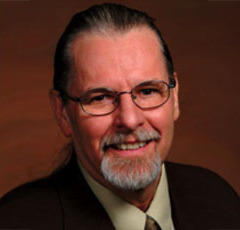
Richard J. Foster

Richard J. Foster Quotes

Author

Filter quotes by topic

Famous Richard J. Foster Quotes

“Silence frees us from the need to control others. One reason we can hardly bear to remain silent is that it makes us feel so helpless. We are accustomed to relying upon words to manage and control others. A frantic stream of words flows from us in an attempt to straighten others out. We want so desperately for them to agree with us, to see things our way. We evaluate people, judge people, condemn people. We devour people with our words. Silence is one of the deepest Disciplines of the Spirit simply because it puts the stopper on that. When we become quiet enough to let go of people, we learn compassion for them.”

“I am not posing these questions only to the world at large. I query us who own Christ as our life. Can God be pleased by the vast and increasing inequities among us? Is he not grieved by our arrogant accumulation, while Christian brothers and sisters elsewhere languish and die? Is it not obligatory upon us to see beyond the nose of our own national interest, so that justice may roll down like waters and righteousness like an ever flowing stream? Is there not an obligation upon us to do justice, and to love mercy, and to walk humbly with God is we want to live in his wonderful peace?”

“Overconsumption is a "cancer eating away at our spiritual vitals." It cuts the heart right out of our compassion. It distances us from the great masses of broken bleeding humanity. It converts us into materialists. We become less able to ask moral questions. For example, just because we have the economic muscle to buy up vast amounts of the world's oil, does that give us the right to do so? When the poor farmer of India is unable to buy a gallon of gasoline to run his simple water pump because the world's demand has priced him out of the market, who is to blame?”

“Graciousness, courtesy, compassion-this is hesed. Hesed is a quality that extends even to the animals and the land. The sabbath rest principle of Hebrew law included the needs of the livestock (Exod. 23:12). After seven years of planting and harvesting, the land itself needed "a year of complete rest" (Lev. 25:5). Even the soil of the vineyards was not to be overtaxed by planting other crops between the rows (Deut. 22:9). The oxen that trod out the grain were not to be muzzled so that they could eat while they worked (Deut. 25:4). And so on.”

“The fruit of solitude is increased sensitivity and compassion for others. There comes a new freedom to be with people. There is new attentiveness to their needs, new responsiveness to their hurts. Thomas Merton observes, 'It is in deep solitude that I find the gentleness with which I can truly love my brothers. The more solitary I am the more affection I have for them.... Solitude and silence teach me to love my brothers for what they are, not for what they say.”