Source: The Celtic Twilight
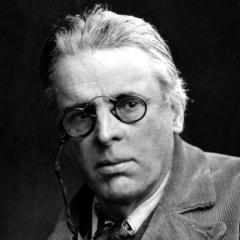
Filter quotes by topic
Famous William Butler Yeats Quotes
Source: The Collected Works of W.B. Yeats Volume IV: Early Essays
Source: The Collected Poems of W. B. Yeats
Source: The Major Works
Source: The Collected Works of W. B. Yeats: Volume I: The Poems, 2nd Edition
“to be choked with hate May well be of all evil chances chief.”
Source: Later Poems
Source: The Collected Poems of W. B. Yeats
Source: The Collected Poems of W. B. Yeats
Source: The Collected Poems of W. B. Yeats
Source: When You Are Old: Early Poems, Plays, and Fairy Tales
Source: Later Poems
Source: The Collected Poems of W. B. Yeats
Source: When You Are Old: Early Poems, Plays, and Fairy Tales
Source: Early Poems
Source: The Major Works
Source: COLLECTED POEMS OF W.B. YEATS
Source: The Major Works
Source: The Winding Stair and Other Poems: A Facsimile Edition
Source: The Celtic Twilight
“Too long a sacrifice can make a stone of the heart. O when may it suffice?”
“Cast your mind on other days that we in coming days may be still the indomitable Irishry.”
Source: The Land of Heart's Desire
Source: When You Are Old: Early Poems, Plays, and Fairy Tales
Source: The Celtic Twilight
Source: Selected Poems And Four Plays
Source: When You Are Old: Early Poems, Plays, and Fairy Tales
Source: The Collected Works of W. B. Yeats: Volume I: The Poems, 2nd Edition
Source: The Collected Works of W.B. Yeats Vol. III: Autobiogra
“Some burn damp faggots, others may consume The entire combustible world in one small room.”
Source: The Collected Poems of W. B. Yeats