“In the case of all other sciences, arts, skills, and crafts, everyone is convinced that a complex and laborious programme of learning and practice is necessary for competence. Yet when it comes to philosophy, there seems to be a currently prevailing prejudice to the effect that, although not everyone who has eyes and fingers, and is given leather and last, is at once in a position to make shoes, everyone nevertheless immediately understands how to philosophize.”
Quote by Georg Wilhelm Friedrich Hegel
Work
Phenomenology of Spirit
This seminal text delves into the philosophical exploration of human consciousness, self-awareness, and the structure of the mind. It is a foundational work in the field of phenomenology, offering a detailed analysis of the human experience and the nature of reality. more
Author
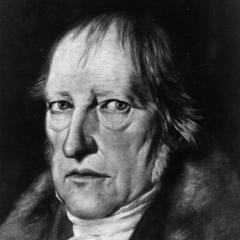
Georg Wilhelm Friedrich Hegel
German philosopher, one of the most important representatives of German classical philosophy. Hegel's philosophical system has had a profound impact on the world. Hegel believed that the task of philosophy is to reveal the absolute spirit, emphasizing the importance of reason, history, and dialectics. more
You May Also Like
Source: Philosophy of right
Source: Philosophy of right
Source: Philosophy of right
Source: Phenomenology of Spirit
Source: Hegel's Philosophy of right
Source: Phenomenology of Spirit
“Friends should be like books, easy to find when you need them, but seldom used.”