“As a matter of selective necessity, man is an agent. He is, in his own apprehension, a centre of unfolding impulsive activity-'teleological activity.' He is an agent seeking in every act the accomplishment of some concrete, objective, impersonal end. By force of being such an agent, he is possessed of a taste for effective work, and a distaste for futile effort.”
Quote by Thorstein Veblen
Work
THORSTEIN VEBLEN Ultimate Collection: 8 Books & 50+ Business Essays and Articles in Warfare and Economics: The Theory of the Leisure Class, The Theory of Business Enterprise, The Higher Learning In America, Panem et Circenses, The Vested Interests and the Common Man, The Use of Loan Credit in Business…
The THORSTEIN VEBLEN Ultimate Collection is a comprehensive compilation of the works of the influential economist and sociologist Thorstein Veblen. This collection brings together eight of Veblen's key books and over fifty additional essays and articles, offering a deep dive into his theories on the leisure class, business enterprise, higher education, and the role of credit in business. The collection includes seminal works like 'The Theory of the Leisure Class', which explores the social and economic aspects of leisure, and 'The Theory of Business Enterprise', which examines the nature of business organizations. Additionally, it features 'The Higher Learning In America', which critiques the American educational system, and 'Panem et Circenses', which analyzes the role of entertainment in society. The collection also includes 'The Vested Interests and the Common Man', which discusses the influence of special interests on public policy, and 'The Use of Loan Credit in Business', which examines the use of credit in business transactions. This extensive collection provides a comprehensive overview of Veblen's thought and his contributions to the fields of economics and sociology. more
Author
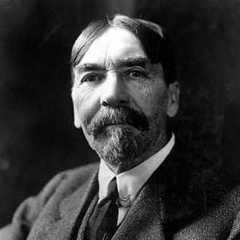
Thorstein Veblen
Thorstein Veblen was an American economist known for his sociological perspective on economics and his critical analysis of economic theories. His work, 'The Theory of the Leisure Class,' had a profound impact on later economics and sociology. more
You May Also Like
Source: BUSINESS & ECONOMICS Premium Collection: 25+ Titles in One Volume: The Theory of Business Enterprise, The Higher Learning in America, The Vested Interests and the Common Man, On the Nature of Capital…: The Theory of the Leisure Class, The Beginning of Ownership, The Preconceptions of Economic Science, The Industrial System and the Captains of Industry, The Socialist Economics of Karl Marx…
Source: A Veblen Treasury: From Leisure Class to War, Peace, and Capitalism
Source: A Veblen Treasury: From Leisure Class to War, Peace, and Capitalism
Source: BUSINESS & ECONOMICS Premium Collection: 25+ Titles in One Volume: The Theory of Business Enterprise, The Higher Learning in America, The Vested Interests and the Common Man, On the Nature of Capital…: The Theory of the Leisure Class, The Beginning of Ownership, The Preconceptions of Economic Science, The Industrial System and the Captains of Industry, The Socialist Economics of Karl Marx…
Source: A Veblen Treasury: From Leisure Class to War, Peace, and Capitalism
Source: A Veblen Treasury: From Leisure Class to War, Peace, and Capitalism
Source: The Theory of the Leisure Class
“Conservatism is the maintenance of conventions already in force.”
Source: BUSINESS & ECONOMICS Premium Collection: 25+ Titles in One Volume: The Theory of Business Enterprise, The Higher Learning in America, The Vested Interests and the Common Man, On the Nature of Capital…: The Theory of the Leisure Class, The Beginning of Ownership, The Preconceptions of Economic Science, The Industrial System and the Captains of Industry, The Socialist Economics of Karl Marx…
Source: Guesses at Truth, by Two Brothers. Third edition. First Series