“by night only crazy things like the full moon and the whippoorwill and us, are busy.”
Quote by Charles Olson
Work
Selected Writings of Charles Olson
Selected Writings of Charles Olson is a comprehensive compilation of the poet's significant works. The collection spans his career, highlighting his innovative approach to poetry and his influential theories on the nature of the poem and the role of the poet in society. It includes poems, essays, and critical writings that reflect Olson's deep engagement with American culture and his commitment to the project of poetry. more
Author
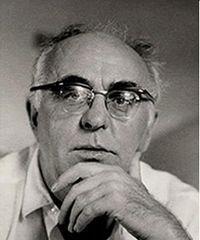
Charles Olson
Charles Olson was an influential American poet, born on December 27, 1910, and died on January 10, 1970. He is known for his unique poetic style and his impact on American literature. more
You May Also Like
Source: Selected Poems of Charles Olson
Source: Selected Writings of Charles Olson
“Where there's a will, there's a lawsuit.”
Source: Debauched Proverbs and Other Miznerisms of Addison Mizner and Wilson Mizner
Source: Crystal Eastman on women and revolution
Source: Crystal Eastman on women and revolution
Source: Crystal Eastman on women and revolution
Source: Crystal Eastman on women and revolution