“Wherever we turn we find that the real obstacles to peace are human will and feeling, human convictions, prejudices, opinions. If we want to get rid of war we must get rid first of all of its psychological causes. Only when this has been done will the rulers of the nations even desire to get rid of the economic and political causes.”
Quote by Aldous Huxley
Work
Ends and Means: An Inquiry into the Nature of Ideals
This book delves into the philosophical debate surrounding the nature of ideals and the means employed to realize them, examining the complexities of ethical and moral reasoning. more
Author
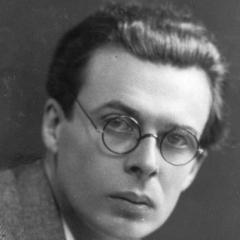
Aldous Huxley
Aldous Huxley was an English writer and philosopher, renowned for his dystopian novel 'Brave New World'. Born on July 26, 1894, in Godalming, Surrey, England, he was the younger brother of the poet and critic Leonard Huxley. Huxley's works frequently delved into the interplay of science, politics, and philosophy, and he was a prominent figure in the literary movement known as the 'Lost Generation'. He passed away on November 22, 1963. more
You May Also Like
Source: Letters of Aldous Huxley
Source: Collected Works: Do what you will
Source: The collected works of Aldous Huxley
Source: Complete Essays: 1956-1963, and supplement, 1920-1948
Source: Complete Essays: 1956-1963, and supplement, 1920-1948
“Most kings and priests have been despotic, and all religions have been riddled with superstition.”
Source: Complete Essays: 1956-1963, and supplement, 1920-1948
Source: Complete Essays: 1956-1963, and supplement, 1920-1948