“The conclusion, so vexatious to democracy, that wisdom and not popularity qualifies for rule may be forced upon us by the peril in atomic energy.”
Quote by Richard M. Weaver
Work
Ideas Have Consequences: Expanded Edition
This book delves into the profound influence of various philosophical concepts on the development of society and culture, offering an in-depth analysis of their historical and contemporary significance. more
Author
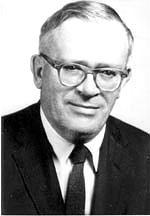
Richard M. Weaver
Richard M. Weaver was an influential American philosopher, born on March 3, 1910, and died on April 1, 1963. He is known for his profound insights into language, culture, and political philosophy, particularly for his work 'The Language of Art', which explored the nature of language and its relationship to reality. more
You May Also Like
Source: The Ethics of Rhetoric
Source: The Ethics of Rhetoric
Source: In defense of tradition: collected shorter writings of Richard M. Weaver, 1929-1963
“Poetry offers the fairest hope of restoring our lost unity of mind.”
Source: Ideas Have Consequences: Expanded Edition
Source: Ideas Have Consequences
Source: Ideas Have Consequences: Expanded Edition
Source: In defense of tradition: collected shorter writings of Richard M. Weaver, 1929-1963