“I just want to be smart like other pepul so I can have lots of frends who like me.”
Book:Flowers for Algernon
“I just want to be smart like other pepul so I can have lots of frends who like me.”
This novel follows the journey of Charlie Gordon, a mentally challenged man who undergoes an experimental surgery to increase his intelligence. The narrative intertwines his personal growth with the development of his relationship with a mouse named Algernon, providing a profound look into the complexities of human nature and societal perceptions. more
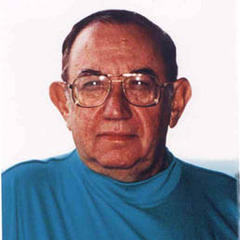
Daniel Keyes, born on August 9, 1927, was a renowned American author known for his profound psychological insights and exploration of human nature. His most famous work, 'Flowers for Algernon,' tells the story of a man with intellectual disability who undergoes an operation to increase his intelligence, delving deeply into the complexities of human emotions and morality. Keyes' writing has had a significant impact on contemporary literature, offering both readers and the fields of psychology and sociology valuable insights. more
“A man who preserves his integrity no real, long-lasting harm can ever come.”
“What will a man gain by winning the whole world, at the cost of his true self?”
“It's shameful for a devil to be good.”