“It is incumbent on us diligently to remember that the kingdom of heaven was promised to the poor in spirit, and that minds afflicted by calamity and the contempt of mankind cheerfully listen to the divine promise of future happiness; while, on the contrary, the fortunate are satisfied with the possession of this world; and the wise abuse in doubt and dispute their vain superiority of reason and knowledge.”
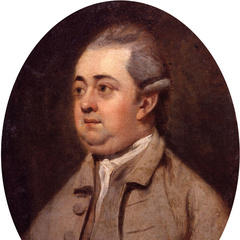
Quote by Edward Gibbon
“We stand in need of such reflections to comfort us for the loss of some illustrious characters, which in our eyes might have seemed the most worthy of the heavenly present. The names of Seneca, of the elder and the younger Pliny, of Tacitus, of Plutarch, of Galen, of the slave Epictetus, and of the emperor Marcus Antoninus, adorn the age in which they flourished, and exalt the dignity of human natures.”
Source: EDWARD GIBBON Premium Collection: Historiographical Works, Memoirs & Letters: Including
“But how shall we excuse the supine inattention of the Pagan and philosophic world to those evidences which were presented by the hand of Omnipotence, not to their reason, but to their senses? During the age of Christ, of his apostles, and their first disciples, the doctrine which they preached was confirmed by innumerable prodigies. The lame walked, the blind saw, the sick were healed, the dead were raised, daemons were expelled, and the laws of Nature were frequently suspended for the benefit of the church.”
Source: The History of the Decline and Fall of the Roman Empire
“But the sages of Greece and Rome turned aside from the awful spectacle, and, pursuing the ordinary occupations of life and study, appeared unconscious of any alterations in the moral of physical government of the world.”
Source: The Modern Library Essential World History 4-Book Bundle: The Decline and Fall of the Roman Empire (Abridged); Montcalm and Wolfe; History of the Conquest of Mexico; The Naval War of 1812
“The sectaries of a persecuted religion, depressed by fear, animated with resentment, and perhaps heated by enthusiasm, are seldom in a proper temper of mind calmly to investigate, or candidly to appreciate, the motives of their enemies, which often escape the impartial and discerning view even of those who are placed at a secure distance from the flames of persecution.”
Source: Decline and Fall of the Roman Empire
“History, which undertakes to record the transactions of the past, for the instruction of future ages, would ill deserve that honourable office if she condescended to plead the cause of tyrants, or to justify the maxims of persecution.”
Source: The History of the Decline and Fall of the Roman Empire
“This variety of objects will suspend, for some time, the course of the narrative; but the interruption will be censured only by those readers who are insensible to the importance of laws and manners, while they peruse, with eager curiosity, the transient intrigues of a court, or the accidental event of a battle.”
Source: The History of the Decline and Fall of the Roman Empire
“The manly pride of the Romans, content with substantial power, had left to the vanity of the East the forms and ceremonies of ostentatious greatness. But when they lost even the semblance of those virtues which were derived from their ancient freedom, the simplicity of Roman manners was insensibly corrupted by the stately affectation of the courts of Asia.”
Source: History of the Decline and Fall of the Roman Empire
“The distinctions of personal merit and influence, so conspicuous in a republic, so feeble and obscure under a monarchy, were abolished by the despotism of the emperors; who substituted in their room a severe subordination of rank and office, from the titled slaves who were seated on the steps of the throne, to the meanest instruments of arbitrary power.”
Source: The Decline and Fall of the Roman Empire (Edited and Abridged): Abridged Edition
“The frequent repetition of miracles serves to provoke, where it does not subdue, the reason of mankind.”
Source: History of the Decline and Fall of the Roman Empire
“The philosopher, who with calm suspicion examines the dreams and omens, the miracles and prodigies, of profane or even of ecclesiastical history, will probably conclude that, if the eyes of the spectators have sometimes been deceived by fraud, the understanding of the readers has much more frequently been insulted by fiction.”
Source: History of the Decline and Fall of the Roman Empire V2: the History Focus