Quotessence
Home / Quotes / Quote by John Ruskin

Quote by John Ruskin

“Will you not covet such power as this, and seek such throne as this, and be no more housewives, but queens? There is no putting by that crown; queens you must always be; queens to your lovers; queens to your husbands and sons; queens of higher mystery to the world beyond. . . . But alas! you are too often idle and careless queens, grasping at majesty in the least things, while you abdicate it in the greatest.”

Quote by John Ruskin

Author
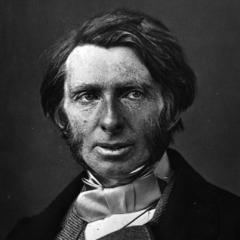
John Ruskin
John Ruskin

John Ruskin was an influential British art critic, writer, and social critic. Known for his profound insights into art, architecture, and social issues, he had a significant impact on the aesthetics and culture of the Victorian era. more

You May Also Like

“It appears to be uncertain whether the journey of Mary with her husband was obligatory or voluntary. . . . Women were liable to a capitation tax, if this enrolment also involved taxation. But, apart from any legal necessity, it may easily be imagined that at such a moment Mary would desire not to be left alone. The cruel suspicion of which she had been the subject, and which had almost led to the breaking off of her betrothal (Matt. 1: 19) would make her cling all the more to the protection of her husband.”

“So rests the sky against the earth. The dark still tarn in the lap of the forest. As a husband embraces his wife's body in faithful tenderness, so the bare ground and trees are embraced by the still, high, light of the morning. I feel an ache of longing to share in this embrace, to be united and absorbed. A longing like carnal desire, but directed towards earth, water, sky, and returned by the whispers of the trees, the fragrance of the soil, the caresses of the wind, the embrace of water and light. Content? No, no, no - but refreshed, rested - while waiting.”

“Nora leaves her husband, not-as the stupid critic would have it-because she is tired of her responsibilities or feels the need of woman's rights, but because she has come to know that for eight years she had lived with a stranger and borne him children. Can there be anything more humiliating, more degrading than a life-long proximity between two strangers? No need for the woman to know anything of the man, save his income. As to the knowledge of the woman-what is there to know except that she has a pleasing appearance?”