Quotessence
Home / Quotes / Quote by Roger L'Estrange

Quote by Roger L'Estrange

Work

Fables of Aesop and Other Eminent Mythologists: With Morals and Reflections

This book compiles a selection of fables from renowned mythologists, such as Aesop, offering insights and moral lessons alongside each story. more

Author
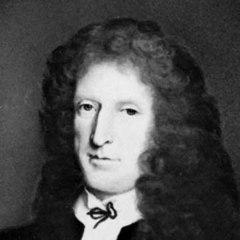
Roger L'Estrange
Roger L'Estrange

Roger L'Estrange was an English author and translator, renowned for his translation of the Bible into English, which was widely used during the 17th and 18th centuries. He was also a playwright and poet, contributing to the literary scene of his era. more

You May Also Like

“For some reason a nation feels as shy about admitting that it ever went forth to war for the sake of more wealth as a man would about admitting that he had accepted an invitation just for the sake of the food. This is one of humanity's most profound imbecilities, as perhaps the only justification for asking one's fellowmen to endure the horrors of war would be the knowledge that if they did not fight they would starve.”

“... when the Spaniards persecuted heretics they may have been crude, but they were not being unreasonable or unpractical. They were at least wiser than the people of to-day who pretend that it does not matter what a man believes, as who should say that the flavour and digestibility of a pudding will have nothing to do with its ingredients.”

“The [nineteenth-century] young men who were Puritans in politics were anti-Puritans in literature. They were willing to die for the independence of Poland or the Manchester Fenians; and they relaxed their tension by voluptuous reading in Swinburne.”

“No one can write a best-seller by taking thought. The slightest touch of insincerity blurs its appeal. The writer who keeps his tongue in his cheek, who knows that he is writing for fools and that, therefore, he had better write like a fool, makes a respectable living out of serials and novelettes; but he will never make the vast, the blaring, half a million success. That comes of blended sincerity and vitality.”

“A bad short story or novel or poem leaves one comparatively calm because it does not exist, unless it gets a fake prestige throughbeing mistaken for good work. It is essentially negative, it is something that has not come through. But over bad criticism one has a sense of real calamity.”