“The strength of a love is always misjudged if we evaluate it by its immediate cause and not the stress that went before it, the dark and hollow space full of disappointment and loneliness that precedes all the great events in the heart's history.”
Quote by Stefan Zweig
Work
The Collected Novellas of Stefan Zweig: Burning Secret, A Chess Story, Fear, Confusion, Journey into the Past
This collection brings together a selection of novellas by the renowned Austrian author Stefan Zweig, showcasing his storytelling prowess and exploration of complex human emotions. The novellas delve into themes of love, betrayal, and existential dread, offering readers a glimpse into the intricate minds of their characters. more
Author
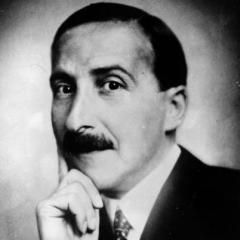
Stefan Zweig
Stefan Zweig, born on November 28, 1881 in Vienna, was an Austrian novelist, playwright, and biographer. Known for his profound psychological insights and unique narrative style, he is a significant figure in European literature at the beginning of the 20th century. more
You May Also Like
Source: Pathfinder
Source: The Collected Novellas of Stefan Zweig: Burning Secret, A Chess Story, Fear, Confusion, Journey into the Past
Source: The Collected Novellas of Stefan Zweig: Burning Secret, A Chess Story, Fear, Confusion, Journey into the Past
Source: The Collected Novellas of Stefan Zweig: Burning Secret, A Chess Story, Fear, Confusion, Journey into the Past
“How terrible this darkness was, how bewildering, and yet mysteriously beautiful!”
Source: The Collected Novellas of Stefan Zweig: Burning Secret, A Chess Story, Fear, Confusion, Journey into the Past
“To certain people there comes a day when they must say the great Yes or the great No.”
“We all use the future to escape the present.”
Source: Looking for Alaska