Quotessence
Home / Quotes / Quote by Carol Browner

Quote by Carol Browner

“Poor communities, frequently communities of color but not exclusively, suffer disproportionately. If you look at where our industrialized facilities tend to be located, they're not in the upper middle class neighborhoods.”

Quote by Carol Browner

Author
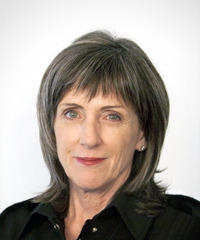
Carol Browner
Carol Browner

Carol Browner, born on December 16, 1955, is a former Administrator of the Environmental Protection Agency in the United States. She has extensive experience and profound expertise in the field of environmental protection, having held multiple positions related to environmental issues and dedicated to promoting sustainable development and the implementation of environmental protection policies. more

You May Also Like

“An unfolding technology has increased our economic strength and added to the convenience of our lives. But that same technology-we know now-carries danger with it. From the great smoke stacks of industry and from the exhausts of motors and machines, 130 million tons of soot, carbon and grime settle over the people and shroud the Nation's cities each year. From towns, factories, and stockyards, wastes pollute our rivers and streams, endangering the waters we drink and use.”

“And there are other dangers potentially more dangerous than even nuclear war. There is AIDS. There is terrorism. There are drugs and more to the point the darkness of our time that makes people seek escape in drugs. There is the slow poisoning of what we call "the environment" of all things as if with that absurdly antiseptic phrase we can conceal from ourselves that what we are really poisoning is home, is here, is us.”

“Another agricultural trend of growing concern is the increased nutrient content of coastal waters resulting from fertilizer runoff in agricultural regions. Augmented by urban sewage discharge in some situations, this results in huge algal blooms, which, as they die and decay, deplete the oxygen content in the water, leading to the death of the fish.”

“Each summer, for example, nitrogen and phosphate washing from farmlands in the Mississippi Valley enter the Gulf of Mexico, creating a massive algal bloom covering some 16,000 square kilometers. As the blooms die off, this area-roughly the size of New Jersey-is so deprived of oxygen that no fish survive.”

“As currently written, the laws require certain manufacturers and users of such chemicals to report any and all environmental releases-either accidental or routine-to air, water, or soil. The Toxics Release Inventory is the main registry of such events, and it is available to the public through the Environmental Protection Agency. It is hardly comprehensive. Toxic emissions reported to the federal government are thought to account for only 5 percent of all chemical releases.”

“It is essential that we take steps to prevent chemical substances from becoming environmental hazards. Unless we develop better methods to assure adequate testing of chemicals, we will be inviting the environmental crisis of the future.”

“Brothers and Sisters: Our ancient homeland is spotted today with an array of chemical dumps. Along the Niagara River, dioxin, a particularly deadly substance, threatens the remaining life there and in the waters which flow from there. Forestry departments spray the surviving forests with powerful insecticides to encourage tourism by people seeking a few days or weeks away from the cities where the air hangs heavy with sulphur and carbon oxides.”

“The insecticides kill the black flies, but also destroy much of the food chain for the bird, fish, and animal life which also inhabit those regions. The fish of the Great Lakes are laced with mercury from industrial plants, and fluoride from aluminum plants poisons the land and the people. Sewage from the population centers is mixed with PCBs and PBS in the watershed of the great lakes and the Finger Lakes, and the water is virtually nowhere safe for any living creatures.”