“In heaven above, And earth below, they best can serve true gladness Who meet most feelingly the calls of sadness.”
Quote by William Wordsworth
Work
The Poems of William Wordsworth
This compilation includes a variety of works by William Wordsworth, one of the most influential English poets of the Romantic era. The poems delve into themes of nature's beauty, the joys and sorrows of solitude, and the complexities of human relationships. Wordsworth's distinctive style, characterized by vivid imagery and a deep connection to the natural world, is prominently featured throughout. more
Author
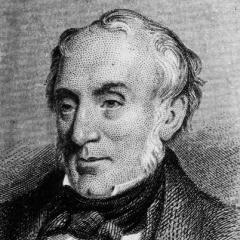
William Wordsworth
William Wordsworth was an English Romantic poet, born on April 7, 1770, in Cockermouth, and died on April 23, 1850. His poetry is renowned for its depiction of natural landscapes and profound expression of personal emotions and inner world. more
You May Also Like
Source: The Poems of William Wordsworth
Source: The Complete Poetical Works of William Wordsworth: Together with a Description of the Country of the Lakes in the North of England, Now First Published with His Works ...
Source: the Revolt of the Masses
“Civilization is nothing more than the effort to reduce the use of force to the last resort.”
Source: the Revolt of the Masses
Source: the Revolt of the Masses