“Love, smoke and a cough cannot long be hid!”
Quote by Olive Schreiner
Work
The letters of Olive Schreiner, 1876-1920
This volume compiles the letters written by Olive Schreiner between 1876 and 1920, offering insight into her personal and intellectual life. The correspondence covers her thoughts on literature, social issues, and her experiences in South Africa and Europe. The letters reflect her engagement with contemporary debates on feminism, race, and politics, and provide a window into her relationships with family, friends, and fellow writers. more
Author
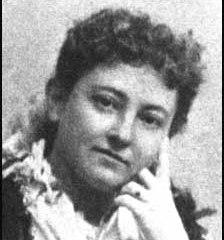
Olive Schreiner
Olive Schreiner was a prominent South African author and feminist, born on March 24, 1855, and passing away on December 11, 1920. She is best known for her novel 'The Story of an African Farm', which is considered a classic of South African literature. Schreiner's work often focused on the social and political issues of her time, particularly the struggles of women and the plight of the indigenous people in South Africa. more
You May Also Like
Source: Olive Schreiner Letters: 1871-1899
Source: Olive Schreiner Letters: 1871-1899
“I'd like to be an original, to be myself and not a pale copy of anyone else.”
Source: How Could You Do That?!: Abdication of Character, Courage, Consci