“I feel more confident if my makeup looks good.”
Quote by Ellie Goulding
Author
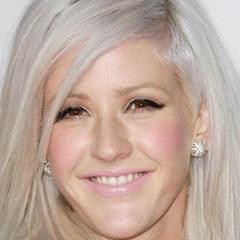
Ellie Goulding
Ellie Goulding is a British singer-songwriter known for her unique voice and diverse musical style. Born on December 30, 1986, she gained international fame with the release of her debut album 'Lights' in 2009. Her music blends elements of electronic, pop, and indie rock, winning the hearts of fans worldwide. more
You May Also Like
Source: Collected Letters of F. Scott Fitzgerald: From the author of The Great Gatsby, The Side of Paradise, Tender Is the Night, The Beautiful and Damned, The Love of the Last Tycoon, The Curious Case of Benjamin Button and many other notable works
“It's a mining town in lotus land.”
Source: The Love of the Last Tycoon: The Authorized Text
Source: The Crack-up
Source: The Complete Works of F. Scott Fitzgerald: Novels, Short Stories, Poetry, Articles, Letters, Plays & Screenplays: From the author of The Great Gatsby, The Side of Paradise, Tender Is the Night, The Beautiful and Damned, The Love of the Last Tycoon, The Curious Case of Benjamin Button and many other notable works
Source: Collected Letters of F. Scott Fitzgerald: From the author of The Great Gatsby, The Side of Paradise, Tender Is the Night, The Beautiful and Damned, The Love of the Last Tycoon, The Curious Case of Benjamin Button and many other notable works
Source: The Complete Works of F. Scott Fitzgerald: Novels, Short Stories, Poetry, Articles, Letters, Plays & Screenplays: From the author of The Great Gatsby, The Side of Paradise, Tender Is the Night, The Beautiful and Damned, The Love of the Last Tycoon, The Curious Case of Benjamin Button and many other notable works