“In Kottayam there were deep undercurrents of local tension that they weren’t aware of. The Marxist government in Kerala was unhappy with the book for what it considered to be unacceptable criticism of the party and its legendary leader, E. M. S. Namboodiri -pad, who was the frst Communist chief minister of Kerala. I was an admirer, but not a devotee. The criticism in The God of Small Things had to do with the party’s attitude to caste. I was denounced as anti- communist (though nothing could be further from the truth) and for a while there was some talk of banning the book.”
Quote by Arundhati Roy
Work
Mother Mary Comes to Me
Browse quotes and source details for this work. more
Author
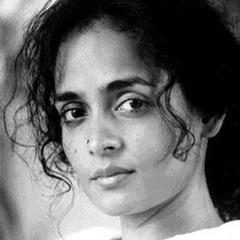
Arundhati Roy
Arundhati Roy is an Indian author best known for her novel 'The God of Small Things', which won the Booker Prize in 1997. Her works often explore social and political issues such as class, race, and gender. more
You May Also Like
Source: JONATHAN LIVINGSTON SEAGULL
“I am the Duff. But so is everyone else in the world. We're all fucking Duffs.”
Source: The DUFF: Designated Ugly Fat Friend
Source: A Duke by Default
Source: Trauma and Recovery: The Aftermath of Violence - From Domestic Abuse to Political Terror
Source: The Wicked King
“Hope is the best form of torture”
Source: Monster - tome 1
Source: Ensnared
Source: Trauma and Recovery: The Aftermath of Violence - From Domestic Abuse to Political Terror
Source: White Witch in a Black Robe: A True Story About Criminal Mind Control
“Take comfort in the devil you know. It may be safer then the one you don't”
Source: Tortured