“Belonging to the peer group is paramount. One's whole sense of identity is coming together in adolescence. If one has a good foundation prior to adolescence, the sense of self can be preliminarily defined. Identity is always social―one's sense of self needs to be matched by others: one's friends, teachers and parents. Adolescence is the time the brain (frontal lobes) is reaching full maturity. It is a time of ideals, of questioning and projecting into the future. An adolescent needs to have the discipline of mind the philosopher Thomas Aquinas called studiasitas. Studiasitas is a disciplined focus on studies and thinking, a kind of temperance of the mind. Its opposite is curiositas, a kind of mental wandering all over the place without limits. Healthy shame at this stage is the source of good identity, a disciplined focus on the future and on studious limits in pursuing intellectual interests.”
Quote by John Bradshaw
Work
Healing the Shame that Binds You
This book explores the nature of shame and its impact on individuals, offering strategies for healing and personal growth. more
Author
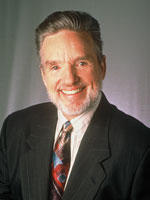
John Bradshaw
John Bradshaw was an American educator known for his research on family and interpersonal relationships. His work focused on family systems theory, particularly in the areas of family emotional expression and communication. Bradshaw's contributions have had a profound impact on the fields of personal growth and family therapy. more
You May Also Like
Source: Healing the Shame that Binds You
Source: Healing the Shame that Binds You
Source: The Great Hand Book of Quotes
“I do believe I should have been treated better – with respect, loyalty, honour, and trust.”
Source: Hurricane to a Rainbow: Anxiety, PTSD, BPD, Autistic Spectrum, and Schizophrenia
“A various set of symptoms which are all part of the human condition.”
Source: Hurricane to a Rainbow: Anxiety, PTSD, BPD, Autistic Spectrum, and Schizophrenia
Source: Separate Things: A Memoir
“I don’t think you can actually do anything without emotion.”
Source: Hurricane to a Rainbow: Anxiety, PTSD, BPD, Autistic Spectrum, and Schizophrenia
Source: Payne Hollow: Life on the Fringe of Society