“If you could say, with truth, to your own solitary heart, to-night, 'I have secured to myself the love and attachment, the gratitude or respect, of no human creature; I have won myself a tender place in no regard; I have done nothing good or serviceable to be remembered by!' your seventy-eight years would be seventy-eight heavy curses; would they not?”
Quote by Charles Dickens
Work
A tale of two cities, with intr., notes, and analytical list of characters
Charles Dickens's renowned novel "A Tale of Two Cities" is a compelling narrative that intertwines the lives of citizens in London and Paris during the tumultuous period of the French Revolution. This annotated edition offers readers an enhanced experience with an introductory essay, comprehensive notes that elucidate historical and literary context, and an analytical list of characters that provides insight into their roles and motivations within the story. more
Author
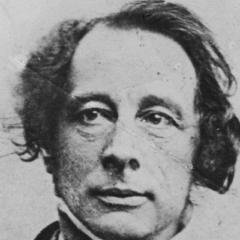
Charles Dickens
Charles Dickens, a British writer born on February 7, 1812, and died on June 9, 1870, is one of the greatest novelists of the 19th century. Known for his profound social criticism and vivid narrative style, Dickens' works extensively cover social reality, revealing various issues in the British society of the time. more
You May Also Like
Source: CHARLES DICKENS – The Complete Short Stories: 190+ Christmas Tales, Social Sketches, Tales for Children & Other Stories (Illustrated): A Christmas Carol, The Chimes, The Battle of Life, The Haunted Man, Sketches by Boz, Mudfog Papers, Reprinted Pieces, Pearl-Fishing, Christmas Stories, Child's Dream of a Star, Holiday Romance…
Source: Christmas Books
Source: Ghost stories
Source: The Complete Works of Charles Dickens: A Christmas Carol and Other Christmas Books
“She was truest to them in the season of trial, as all the quietly loyal and good will always be.”
Source: a tale of two cities
Source: Christmas Stories from
Source: Oliver Twist. Great expectations
“... she indulged in melancholy - that cheapest and most accessible of luxuries.”
Source: Dombey and Son ... With frontispiece by H. K. Browne
Source: The Works of Charles Dickens