“Happy the man to whom heaven has given a morsel of bread without laying him under the obligation of thanking any other for it than heaven itself.”
Quote by Miguel de Cervantes
Work
Don Quixote de la Mancha
Don Quixote de la Mancha is a seminal work of Western literature, renowned for its satirical commentary on the medieval chivalric romances. The story follows the adventures of Don Quixote, a self-proclaimed knight-errant, and his squire, Sancho Panza, as they embark on a series of fantastical quests. The novel delves into the complexities of human nature, the pursuit of ideals, and the contrast between reality and illusion. more
Author
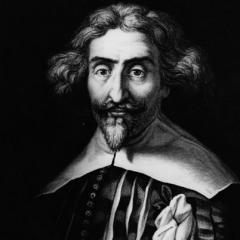
Miguel de Cervantes
Miguel de Cervantes, a Spanish novelist, playwright, and poet, was born on September 29, 1547, and died on April 22, 1616. He is best known for his masterpiece, 'Don Quixote,' which is considered a classic of Western literature and has had a profound impact on literature worldwide. more
You May Also Like
Source: Course of popular lectures as delivered by Frances Wright: with three addresses on various public occasions, and a reply to the charges against the French reformers of 1789. Second edition
Source: Course of popular lectures as delivered by Frances Wright: with three addresses on various public occasions, and a reply to the charges against the French reformers of 1789. Second edition
Source: Course of popular lectures; with 3 addresses on various public occasions, and a reply to the charges against the French reformers of 1789
Source: Course of popular lectures; with 3 addresses on various public occasions, and a reply to the charges against the French reformers of 1789
Source: Course of popular lectures