“An Irish Airman foresees his Death I Know that I shall meet my fate Somewhere among the clouds above; Those that I fight I do not hate Those that I guard I do not love, My country is Kiltartan Cross, My countrymen Kiltartan’s poor, No likely end could bring them loss Or leave them happier than before. Nor law, nor duty bade me fight, Nor public man, nor cheering crowds, A lonely impulse of delight Drove to this tumult in the clouds; I balanced all, brought all to mind, The years to come seemed waste of breath, A waste of breath the years behind In balance with this life, this death.”
Quote by William Butler Yeats
Author
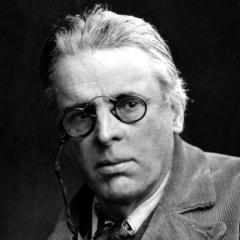
William Butler Yeats
William Butler Yeats was an Irish poet, dramatist, and essayist, considered one of the greatest poets of the 20th century. His poetry deeply reflected the nationalist sentiments of Ireland and also showcased rich imagination and profound philosophical thinking. Yeats' poetic style was versatile, evolving from early romanticism to late symbolism, and his works have had a profound impact on literature both in Ireland and around the world. more
You May Also Like
Source: The Insanity Defense: The Complete Prose
Source: The Painted Veil
Source: Odd Thomas: You Are Destined to Be Together Forever (Short Story)
Source: A Treatise of Human Nature