Quotessence
Home / Quotes / Quote by Gregory David Roberts

Quote by Gregory David Roberts

“It's not just the body that must survive a jail term: the spirit and the will and the heart have to make it through as well. If any one of them is broken or destroyed, the man whose living body walks through the gate, at the end of his sentence, can't be said to have survived it.”

Quote by Gregory David Roberts

Work

Shantaram

This novel is a richly detailed narrative that delves into the complexities of human existence, following the protagonist's journey from a life of crime to a quest for self-discovery and peace. The story is set against the backdrop of a vibrant and chaotic Mumbai, offering a vivid portrayal of the city's diverse cultures and communities. The protagonist's transformation is central to the narrative, as he navigates the challenges of addiction, the allure of the criminal underworld, and the search for a meaningful life. more

Author

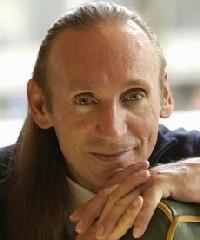
Gregory David Roberts

Gregory David Roberts is an Australian author best known for his autobiographical novel 'The Shawshank Redemption.' This novel was later adapted into a successful film, becoming a classic. Born on June 1, 1952, Roberts' life has been marked by adventure and challenge. more

You May Also Like

“I know I want and do not have what I want. A weight hangs suspended from a hook; being suspended, it suffers because it cannot fall: it cannot get off the hook, for insofar as it is weight it suspends, and as long as it suspends it depends. [...] Its life is this want of life. If it no longer wanted but were finished, perfect, if it possessed its own self, it would have ended its existence. At that point, as its own impediment to possessing life, the weight would not depend on what is external as much as on its own self, in that it is not given the means to be satisfied. The weight can never be persuaded. Nor is any life ever satisfied to live in any present, for insofar as it is life it continues, and it continues into the future to the degree that it lacks life. If it were to possess itself completely here and now and be in want of nothing—if it awaited nothing in the future—it would not continue: it would cease to be life. So many things attract us in the future, but in vain do we want to possess them in the present.”

“Child, [death] is with us always,” said Cadfael, patient beside him. “Last summer ninety-five men died here in the town, none of whom had done murder. For choosing the wrong side, they died. It falls upon blameless women in war, even in peace at the hands of evil men. It falls upon children who never did harm to any, upon old men, who in their lives have done good to many, and yet are brutally and senselessly slain. Never let it shake your faith that there is a balance hereafter. What you see is only a broken piece from a perfect whole.” “Such justice as we see is also but a broken shred. But it is our duty to preserve what we may, and fit together such fragments as we find, and take the rest on trust.”

“Unless you refuse the bad things happening to you, you will continue to suffer with your own consent!”