“Our mind is the canvas on which the artists lay their colour; their pigments are our emotions; their chiaroscuro the light of joy, the shadow of sadness. The masterpiece is of ourselves, as we are of the masterpiece.”
Quote by Okakura Kakuzo
Work
The Illustrated Book of Tea
This book offers an in-depth exploration of the world of tea, including its historical significance, cultural impact, and the process of tea cultivation and production. It is richly illustrated with photographs and drawings that showcase the diversity of tea leaves, brewing methods, and traditional tea ceremonies from around the globe. more
Author
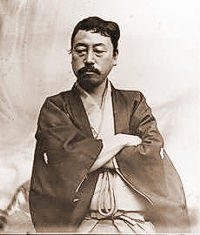
Okakura Kakuzo
Okakura Kakuzo, born on February 14, 1862, was a prominent Japanese art critic, writer, and translator. He is renowned for his profound understanding and extensive promotion of Japanese art. Okakura's major works include 'The Book of Tea' and 'The Art of the East', which have had a profound impact on the world's understanding of Eastern culture. more
You May Also Like
Source: The Creators: A History of Heroes of the Imagination
“Starving research and development is like eating the seed corn.”
Source: The Wisdom of the Ego
“One cannot evolve from one's robothood until one realizes how totally one has been robotized.”
Source: Out of My Later Years: The Scientist, Philosopher, and Man Portrayed Through His Own Words