“When the toll upon carriages of luxury, upon coaches, post-chaises, etc. is made somewhat higher in proportion to their weight, than upon carriages of necessary use, such as carts, wagons, etc. the indolence and vanity of the rich is made to contribute in a very easy manner to the relief of the poor, by rendering cheaper the transportation of heavy goods to all the different parts of the country.”
Quote by Adam Smith
Work
An inquiry into the nature and causes of the wealth of nations
This classic text delves into the principles of economics, analyzing the production, distribution, and consumption of goods and services, and their impact on economic growth and societal welfare. more
Author
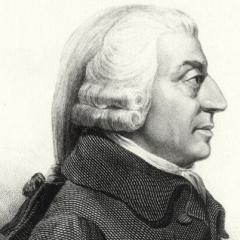
Adam Smith
Adam Smith, a renowned philosopher and economist from Britain, was born on June 5, 1723, and died on July 17, 1790. Known as the father of modern economics, his work 'The Wealth of Nations' had a profound impact on the development of economics. more
You May Also Like
Source: An inquiry into the nature and causes of the wealth of nations
“I am a beau in nothing but my books.”
Source: The Essential Adam Smith
Source: Adam Smith: Selected Philosophical Writings
Source: An inquiry into the nature and causes of the wealth of nations
Source: An inquiry into the nature and causes of the wealth of nations
Source: An Inquiry into the Nature and Causes of the Wealth of Nations, Volume 2
Source: An Inquiry Into the Nature and Causes of the Wealth of Nations With a Life of the Author: Also a View of the Doctrine of Smith, Compared with that of the French Economists, with a Method of Facilitating the Study of His Works, from the French of M. Jariner
Source: An inquiry into the nature and causes of the wealth of nations