“People generally have more feeling for canals and roads than education. However, I hope we can advance them with equal pace.”
Quote by Thomas Jefferson
Work
The writings of Thomas Jefferson
This extensive compilation includes Jefferson's correspondence, his influential essays on topics such as democracy and individual rights, and his personal reflections on the founding of the United States. The writings provide insight into Jefferson's role in shaping American history and his contributions to the nation's political discourse. more
Author
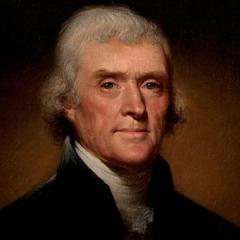
Thomas Jefferson
Thomas Jefferson was the third President of the United States, a distinguished politician, philosopher, architect, and scientist. He was born on April 13, 1743, and died on July 4, 1826. Jefferson advocated for democracy and freedom in politics and was one of the main authors of the Declaration of Independence. His political ideas had a profound impact on the founding and development of the United States. more
You May Also Like
Source: Rights of Man: Being an Answer to Mr. Burke's Attack on the French Revolution
Source: The Quotable George Washington: The Wisdom of an American Patriot
Source: Memoir, correspondence, and miscellanies from the papers of T. Jefferson
Source: Letters
Source: Memoir, Correspondence, and Miscellanies: From the Papers of Thomas Jefferson