“We have to treat others as part of who we are, rather than as a 'them' with whom we are in constant competition.”
Quote by Robert Neelly Bellah
Author
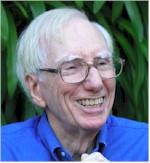
Robert Neelly Bellah
Robert Neelly Bellah was an American sociologist known for his research on modern religion and social structures. His work, 'The American Civil Religion,' had a profound impact on understanding American society and culture. more
You May Also Like
Source: Dilthey's Dream: Essays on Human Nature and Culture
“.. the voice of nature and experience seems plainly to oppose the selfish theory.”
Source: An enquiry concerning human understanding. A dissertation on the passions. An enquiry concerning the principles of morals. The natural history of religion
“It is still open for me, as well as you, to regulate my behavior, by my experience of past events.”
Source: THE PHILOSOPHICAL WORKS OF DAVID HUME.
Source: An Enquiry Concerning Human Understanding: Revision of Great Book
Source: An Enquiry Concerning the Principles of Morals
“If you can't describe what you are doing as a process, you don't know what you're doing.”
Source: An Enquiry Concerning the Principles of Morals: A Critical Edition
Source: An Enquiry Concerning the Principles of Morals
Source: And the human understanding. An inquiry concerning the principles of morals. Appendix. The natural history of religion