“A good man will extend his munificence to the industrious poor of all persuasions reduced by age, infirmity, or accident; to thosewho labour under incurable maladies; and to the youth of either sex, who are capable of beginning the world with advantage, but have not the means.”
Quote by Samuel Richardson
Author
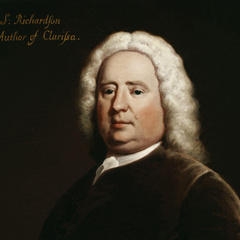
Samuel Richardson
Samuel Richardson (August 19, 1689 - July 4, 1761) was an 18th-century English writer, widely regarded as one of the founders of the modern English novel. Born in London during the reign of James II, he initially worked in book printing and publishing before turning to writing. Richardson's major works include 'Pamela,' 'Clarissa,' and 'Sir Charles Grandison,' which are renowned for their psychological depth and vivid character development. He pioneered the use of diary and epistolary formats, allowing readers intimate access to characters' inner worlds. His novels were immensely popular in their time and significantly influenced the development of the novel form, particularly in psychological characterization and social commentary. Richardson's focus on moral instruction and feminine virtue reflected 18th-century English societal values. more
You May Also Like
“Those commands of superiors which are contrary to our first duties are not to be obeyed.”
Source: A collection of the moral and instructive sentiments: a facsimile reproduction
Source: The History of Sir Charles Grandison: In a Series of Letters Published from the Originals, by the Editor of Pamela and Clarissa. In Seven Volumes
Source: A collection of the moral and instructive sentiments, maxims, cautions, and reflexions, contained in the histories of Pamela, Clarissa, and Sir Charles Grandison: Digested under proper heads, with references to the volume, ...
“A good man will not engage even in a national cause, without examining the justice of it.”
Source: A collection of the moral and instructive sentiments, maxims, cautions, and reflexions, contained in the histories of Pamela, Clarissa, and Sir Charles Grandison: Digested under proper heads, with references to the volume, ...
Source: A collection of the moral and instructive sentiments, maxims, cautions, and reflexions, contained in the histories of Pamela, Clarissa, and Sir Charles Grandison: Digested under proper heads, with references to the volume, ...
Source: Clarissa Harlowe, or The History of a Young Lady - Complete
“All that hoops are good for is to clean dirty shoes and keep fellows at a distance.”
Source: Letters and passages restored from the original manuscripts of the History of Clarissa. To which is subjoined, a collection of such of the moral and instructive sentiments ... contained in the History, as are presumed to be of general use and service ... Published for the sake of doing justice to the purchasers of the first two editions of that work
Source: A collection of the moral and instructive sentiments: a facsimile reproduction