“Despite the long-term reduction in familial roles and functions, we believe that parents are still the world's greatest experts about the needs of their own children. Virtually any private or public program that supports parents, effectively supports children. This principle of supporting family vitality seems to us preferable to any policy that would have the state provide children directly with what it thinks they need.”
Quote by Kenneth Keniston
Work
All Our Children: The American Family Under Pressure
This book delves into the various pressures affecting American families, examining the social, economic, and psychological factors that shape family dynamics and the broader American family unit. more
Author
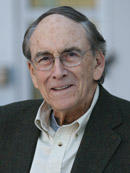
Kenneth Keniston
Kenneth Keniston, born on January 6, 1930, is an individual whose profession and category are unknown. His life story and contributions are not well-documented, and further research is needed to understand his background and achievements. more
You May Also Like
Source: All Our Children: The American Family Under Pressure
Source: All Our Children: The American Family Under Pressure
Source: All Our Children: The American Family Under Pressure
“[I support] term limits for career politicians and the death penalty for career politicians.”
“Don't talk to the people until you've listened to the people.”
“It's hard to be the first. It's almost as if I'm subject to a different level of inspection.”
“If I lose, I'm going to retire from politics, practice law, and wear bright leather pants.”