“We are not to renounce our senses and experience, nor (that which is the undoubted Word of God) our natural Reason. For they are the talents which he hath put into our hands to negotiate, till the coming again of our blessed savior, and therefore not to be folded up in the napkin of an implicate faith, but employed in the purchase of justice, peace, and true religion. For though there be many things in God's Word above Reason--that is to say, which cannot by natural reason be either demonstrated or confuted--yet there is nothing contrary to it.”
Quote by Thomas Hobbes
Author
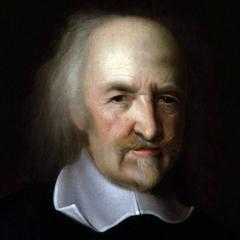
Thomas Hobbes
Thomas Hobbes, a British philosopher, politician, historian, economist, and writer, was born on April 5, 1588, in Wiltshire, and died on December 4, 1679, in Oxford, England. Hobbes is considered one of the most important philosophers of the 17th century, known for his profound analysis of the state, society, and human behavior. more
You May Also Like
Source: The Essential Leviathan: A Modernized Edition
Source: The English Works of Thomas Hobbes of Malmesbury
“Men measure not only other men, but all other things, by themselves.”
Source: Leviathan - Revised Edition
Source: Leviathan
Source: The Moral and Political Works To which is Prefixed the Autors Life, Extracted from that Said to be Written by Himself ... Illustr. by the Ed. - London 1750
Source: The Moral and Political Works of Thomas Hobbes of Malmesbury: Never Before Collected Together : To which is Prefixed, the Author's Life, Extracted from that Said to be Written by Himself, ...
Source: Leviathan
Source: The English Works of Thomas Hobbes of Malmesbury
Source: Leviathan
Source: Leviathan