Quotessence
Home / Quotes / Quote by Matt Haig

Quote by Matt Haig

“That was how she had felt most of her life. Caught in the middle. Struggling, flailing, just trying to survive while not knowing which way to go. Which path to commit to without regret.”

Quote by Matt Haig

Work

The Midnight Library

Browse quotes and source details for this work. more
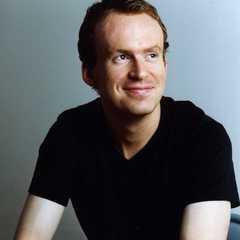
Author

Matt Haig
Matt Haig

Matt Haig is a British novelist born in 1975. His works are known for their humor and profound emotional insight, enjoying great popularity among readers. Haig's writing spans a variety of genres, including science fiction, fantasy, and realism. more

You May Also Like

“El doctor se inclinó muy cerca para oírlo, porque la voz era solo un murmullo.«Busque a Violette, dígale que la amo»,agregó Étiene Relais antes de que el otro le vaciara un frasquito en la boca. En Cuba, en ese mismo instante, Violette Boisier se golpeó la mano derecha contra la fuente de piedra donde había ido a buscar agua y el ópalo del anillo, que había usado por catorce años, se hizotrizas. Cayó sentada junto a la fuente, con un grito atascado y la mano apretada en el corazón. Adèle, que estaba con ella, creyó que la había mordido un alacrán. «Étienne, Étienne...», balbuceó Violette deshecha en lágrimas.”

“Three, 300, or 3,000 - these are the number of unknown days, a week, a year, or a decade, each far too precious little and yet, poignantly too much at the same time, to see an irrevocably declined loved one languish and suffer. That irreversible release lingers in the doorway, but is never quite ushered all the way in, to comfort and carry our loved one to that Better Place.” When the time finally comes, we can be enveloped in a warm cloak of long-awaited acceptance and peace that eases our own pain; that quiets the grief which has moaned inside of us, at least some, every single one one of those bittersweet days, weeks... or years.”

“Three years earlier her father had been buried (irritable and impatient as he always had been) in the Fladstrand Church cemetery that bordered the lovely park, Plantagen, which shared with the cemetery its trees, shared its beech and ash and maple, in the same plot where her mother, wide eyed and confused, had lain down almost willingly two years before, where her brother had lain for thirty-five years, dazed and unwillingly after too short a life. A dove was looking down from atop the family gravestone. It was made from metal so it could not fly away, but sometimes it went missing all the same and only a spike would remain. Someone had taken that dove, someone out there maybe had an entire collection of doves and angels and other small, Christian bronze sculptures in a cupboard at home and on long evenings would close the curtains and take them out and run his fingers gently over the smooth, cold bodies.”

“Das Leben geht weiter. Manchmal fragte ich mich, ob diese Tatsache nicht das Grausamste an unserem Dasein ist. Nicht der Tod und die ihm vorausgehenden Schmerzen, sondern der Fakt, dass ganz gleich, welche Schicksalschläge das Leben für uns bereithält, die Uhren niemals innehalten. Nicht einmal für einen Wimpernschlag. Dabei hat das Universum doch alle Zeit der Welt. Wäre der Unfalltod eines Menschen nicht viel einfacher zu ertragen, wenn sämtliche Autos für einen Moment stehen blieben? Wenn die Wellen, die das Kind ertränkten, nicht mehr rauschten? Nur für eine kurze Zeit, wenigstens die Trauerfeier über, bis der Sarg sich in das Grab gesenkt hätte. Wird uns die Bedeutungslosigkeit unseres Daseins nicht alleine dadurch gewiss gemacht, dass wir neben dem Totenbett eines geliebten Menschen im Krankenhaus stehen und gleichzeitig vor den Fenstern das Lachen spielender Kinder im Park hören könnten? Das Leben geht immer weiter. Immer.”

“There are many of us here. A whole street. That's what it's called--Chernobylskaya. These people worked at the station their whole lives. A lot of them still go there to work on a provisional basis, that's how they work there now, no one lives there anymore. They have bad diseases, they're invalids, but they don't leave their jobs, they're scared to even think of the reactor closing down. Who needs them now anywhere else? Often they die. In an instant. They just drop--someone will be walking, he falls down, goes to sleep, never wakes up. He was carrying flowers for his nurse and his heart stopped. They die, but no one's really asked us. No one's asked what we've been through. What we saw. No one wants to hear about death. About what scares them. But I was telling you about love. About my love... -- Lyudmila, Ignatenko, wife of deceased fireman, Vasily Ignatenko”