“This business of petty inconvenience and indignity, of being kept waiting about, of having to do everything at other people’s convenience, is inherent in working-class life. A thousand influences constantly press a working man down into a passive role. He does not act, he is acted upon. He feels himself the slave of mysterious authority and has a firm conviction that ‘they’ will never allow him to do this, that, and the other. Once when I was hop-picking I asked the sweated pickers (they earn something under sixpence an hour) why they did not form a union. I was told immediately that ‘they’ would never allow it. Who were ‘they’? I asked. Nobody seemed to know, but evidently ‘they’ were omnipotent.”
Quote by George Orwell
Work
The Road to Wigan Pier
Published in 1937, the book is a blend of personal reflections and detailed observations of the author's journey through the industrial town of Wigan, shedding light on the hardships faced by the working poor during the interwar period. more
Author
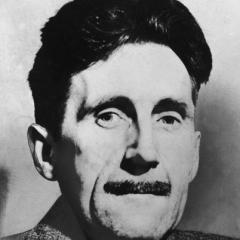
George Orwell
George Orwell, born Eric Arthur Blair, was a British novelist and political critic. Known for his sharp social criticism and profound insights into totalitarianism, Orwell is best remembered for his novels '1984' and 'Animal Farm', which remain influential to this day. more
You May Also Like
Source: Democracy in America
“... ξέρει να επιστρατεύει αριστοτεχνικά τη δουλοπρέπεια σαν ηρεμιστικό.”
Source: Περαίωση
Source: The Doctrine of Virtue: Part 2 of The Metaphysic of Morals
Source: Мертвые души. Избранное
Source: Heir of Ashes
Source: Radio: The Fifth Estate