“Millions of men, women, and children daily suffer terror, anxiety, pain, and humiliation at the hands of the psychopaths in their lives.”
Quote by Robert D. Hare
Work
Without Conscience: The Disturbing World of the Psychopaths Among Us
This book delves into the complex nature of psychopathy, providing insights into the behaviors and thought processes of individuals who exhibit this disorder. It discusses the challenges faced by those who interact with psychopaths and examines the societal implications of their actions. more
Author
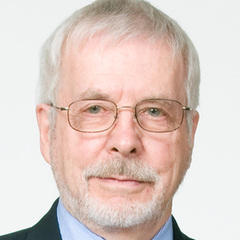
Robert D. Hare
Robert D. Hare is a renowned university professor, born in 1934. He has extensive research in the field of psychology, particularly in criminal psychology and personality psychology. Professor Hare is known for his work in psychological measurement, especially for his research on psychopaths. more
You May Also Like
Source: The Blue Octavo Notebooks
Source: The Evidence of Things Not Seen: Reflections on Faith, Science, and Economics
“Unhappiness plus shame is unbearable. Unhappiness plus blame is galvanizing”
Source: Kill Show
Source: Writing in Restaurants : Essays and Prose
“Stress, anxiety, and depression are caused when we are living to please others.”
Source: Poor Charlie's Almanack: The Wit and Wisdom of Charles T. Munger
Source: The Twelfth Preamble: To all the authors to be!
Source: Making Sense of Psychiatric Diagnosis: Understanding the DSM-5
Source: Unapologetically You: Reflections on Life and the Human Experience