“It is the custom on the stage: in all good, murderous melodramas: to present the tragic and the comic scenes, in as regular alternation, as the layers of red and white in a side of streaky, well-cured bacon. The hero sinks upon his straw bed, weighed down by fetters and misfortunes; and, in the next scene, his faithful but unconscious squire regales the audience with a comic song. We behold, with throbbing bosoms, the heroine in the grasp of a proud and ruthless baron: her virtue and her life alike in danger; drawing forth a dagger to preserve the one at the cost of the other; and, just as our expectations are wrought up to the highest pitch, a whistle is heard: and we are straightway transported to the great hall of the castle: where a grey-headed seneschal sings a funny chorus with a funnier body of vassals, who are free of all sorts of places from church vaults to palaces, and roam about in company, carolling perpetually. Such changes appear absurd; but they are not so unnatural as they would seem at first sight. The transitions in real life from well-spread boards to death-beds, and from mourning weeds to holiday garments, are not a whit less startling; only, there, we are busy actors, instead of passive lookers-on; which makes a vast difference. The actors in the mimic life of the theatre, are blind to violent transitions and abrupt impulses of passion or feeling, which, presented before the eyes of mere spectators, are at once condemned as outrageous and preposterous.”
Quote by Charles Dickens
Work
Oliver Twist is a classic novel that follows the life of an orphan boy born in a workhouse. After daring to ask for more food, Oliver is punished and eventually runs away to London. There, he is taken in by a group of young pickpockets led by the cunning Fagin. The story explores themes of poverty, social injustice, and the struggle between good and evil as Oliver encounters both cruel and compassionate characters, ultimately seeking a place where he belongs. more
Author
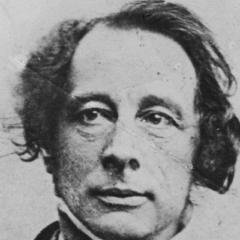
Charles Dickens, a British writer born on February 7, 1812, and died on June 9, 1870, is one of the greatest novelists of the 19th century. Known for his profound social criticism and vivid narrative style, Dickens' works extensively cover social reality, revealing various issues in the British society of the time. more
You May Also Like
“She wants the Recognition… Damn all of you and your Recognition!”