“If the new information is consonant with our beliefs, we think it is well founded and useful: "Just what I always said!" But if the new information is dissonant, then we consider it biased or foolish: "What a dumb argument!" So powerful is the need for consonance that when people are forced to look at disconfirming evidence, they will find a way to criticize, distort, or dismiss it so that they can maintain or even strengthen their existing belief. This mental contortion is called the "confirmation bias.”
Quote by Carol Tavris
Work
Mistakes Were Made (But Not by Me): Why We Justify Foolish Beliefs, Bad Decisions, and Hurtful Acts
Mistakes Were Made (But Not by Me) delves into the human tendency to rationalize errors and undesirable behaviors. The book examines various psychological phenomena that contribute to this justification, offering insights into why people may cling to foolish beliefs and make poor decisions despite evidence to the contrary. more
Author
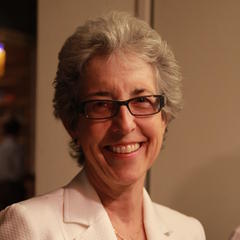
Carol Tavris
Carol Tavris is a renowned psychologist, born on September 17, 1944. Her research focuses on psychology, cognitive psychology, and critical thinking. Tavris is known for her profound insights into psychology and her extensive influence on public cognition. more
You May Also Like
Source: Mistakes Were Made (But Not by Me): Why We Justify Foolish Beliefs, Bad Decisions, and Hurtful Acts
Source: Mistakes Were Made (But Not by Me): Why We Justify Foolish Beliefs, Bad Decisions, and Hurtful Acts
Source: 50 pitanja i 50 odgovora iz hrišćansko-psihoterapeutske prakse
Source: A History of Modern Psychology 3e
Source: The Martian Chronicles
Source: The Happiness Hypothesis: Finding Modern Truth in Ancient Wisdom
Source: Mistakes Were Made (But Not by Me): Why We Justify Foolish Beliefs, Bad Decisions, and Hurtful Acts
Source: Sex and Psychic Energy
Source: Sex and Psychic Energy