Quotessence
Home / Quotes / Quote by Ingmar Bergman

Quote by Ingmar Bergman

“Actually it deals ("as usual" I was about to say!) with Life, Love and Death. Because nothing in fact is more important. To occupy oneself with. To think of. To worry over. To be happy about. And so on.”

Quote by Ingmar Bergman

Work

Face to Face: A Film

Browse quotes and source details for this work. more
Author

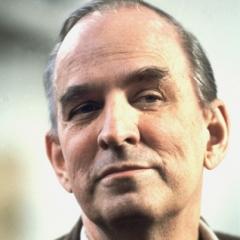
Ingmar Bergman
Ingmar Bergman

Ingmar Bergman was a Swedish filmmaker, theatre director, screenwriter, and author, widely regarded as one of the greatest film directors of all time. His films are known for their intense psychological drama and exploration of human emotions, often delving into themes of death, religion, and the complexities of human relationships. His most famous films include 'The Seventh Seal,' 'Wild Strawberries,' and 'Through a Glass Darkly.' more

You May Also Like

“The spring evenings had grown long, and it was hard to darken the room. They sat in their separate chairs and waited for Fassbinder, their silence a respectful preparation. They had waited this way for their meetings with Truffaut, Bergman, Visconti, Renoir, Wilder, and all the other honored guests that Jonna had chosen and enthroned–the finest present she could give her friend.”

“We are going to die, and that makes us the lucky ones. Good writing starts strong. Not with a cliché (“Since the dawn of time”), not with a banality (“Recently, scholars have been increasingly concerned with the question of…”), but with a contenful observation that provokes curiosity”

“(…) o tempo ensinou-lhe algumas astúcias: "Evitar os sinônimos, que têm a desvantagem de sugerir diferenças imaginárias; evitar hispanismos, argentinismos, arcaísmos e neologismos; preferir as palavras habituais às palavras assombrosas; intercalar em um relato traços circunstanciais, exigidos agora pelo leitor; simular pequenas incertezas, já que, se a realidade é precisa, a memória não o é; narrar os fatos (isto aprendi em Kipling e nas sagas da Islândia) como se não os entendesse totalmente; lembrar que as normas anteriores não são obrigações e que o tempo se encarregará de abolilas".”

“A música afeta as nossas emoções e pode levantar-nos ou baixar-nos o moral. Um bom exemplo disto é a forma como as bandas sonoras dos filmes nos dão pistas sobre como reagirmos à cena que estamos a ver – romance, humor e tensão são ampliados pela música que os acompanha.”

“I love London. I love everything about it. I love its palaces and its museums and its galleries, sure. But also, I love its filth, and damp, and stink. Okay, well, I don’t mean love, exactly. But I don’t mind it. Not any more. Not now I’m used to it. You don’t mind anything once you’re used to it. Not the graffiti you find on your door the week after you painted over it, or the chicken bones and cider cans you have to move before you can sit down for your damp and muddy picnic. Not the everchanging fast food joints – AbraKebabra to Pizza the Action to Really Fried Chicken – and all on a high street that despite its three new names a week never seems to look any different. Its tawdriness can be comforting, its wilfulness inspiring. It’s the London I see every day. I mean, tourists: they see the Dorchester. They see Harrods, and they see men in bearskins and Carnaby Street. They very rarely see the Happy Shopper on the Mile End Road, or a drab Peckham disco. They head for Buckingham Palace, and see waving above it the red, white and blue, while the rest of us order dansak from the Tandoori Palace, and see Simply Red, White Lightning, and Duncan from Blue. But we should be proud of that, too. Or, at least, get used to it.”