Quotessence
Home / Quotes / Quote by Colson Whitehead

Quote by Colson Whitehead

Work

The Noble Hustle: Poker, Beef Jerky, and Death

This book delves into the author's personal journey through the high-stakes world of poker and the shadowy business of beef jerky production. It offers an intimate look at the complexities and risks involved in these activities, providing readers with a glimpse into the lives of those who navigate the fringes of the legal system. more

Author
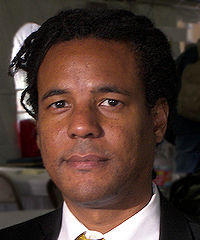
Colson Whitehead
Colson Whitehead

Colson Whitehead is an American novelist known for his distinctive literary style and profound insights into historical themes. His works cover a range of topics from slavery to modern urban life, with his 'New York Trilogy' and 'The Underground Railroad' being particularly notable. more

You May Also Like

“The key to the problem, I would come to understand, was this: I lacked both spiritual guidelines, and an ability to enjoy anything. But at the same time, I was also an excitement addict. This is such a toxic combination I can't even. I didn't know this at the time, of course, but if I was not in the act of searching for excitement, being excited, or drunk, I was incapable of enjoying anything. The fancy word for that is "anhedonia," a word and feeling I would spend millions in therapy and treatment centers to discover and understand. Maybe that's why I won tennis matches only when I was a set down and within points of losing. Maybe that's why I did everything I did. "Anhedonia," by the way, was the original working title of my favorite movie, the one my mother and I had enjoyed together, "Annie Hall". Woody gets it. Woody gets me.”

“In his work with depression, [Donald] Klein cried to distinguish chose patients who were best created with imipramine from chose best treated with MAOis (monoamine-oxidase inhibitors). Klein found that imipramine was most useful in the treatment of severe depressive episodes with a definite and rapid onset. Patients who looked less depressed, had arrived at depression more gradually, and complained mostly of boredom and apathy did not respond to imipramine but might respond to MAOis. This second group could sometimes be interrupted by distractions or amusements; in the midst of a hospitalization for depression, they might be seen on the ward chatting happily. Yes, they were impaired. But the impairment extended only to appetitive pleasures. Though they had lost the capacity to forage, if pleasure landed on their plate, they consumed it.”

“In his work with depression, [Donald] Klein tried to distinguish those patients who were best treated with imipramine from those best treated with MAOis (monoamine-oxidase inhibitors). Klein found that imipramine was most useful in the treatment of severe depressive episodes with a definite and rapid onset. Patients who looked less depressed, had arrived at depression more gradually, and complained mostly of boredom and apathy did not respond to imipramine but might respond to MAOis. This second group could sometimes be interrupted by distractions or amusements; in the midst of a hospitalization for depression, they might be seen on the ward chatting happily. Yes, they were impaired. But the impairment extended only to appetitive pleasures. Though they had lost the capacity to forage, if pleasure landed on their plate, they consumed it.”