“The fact of it is nothing to do with seeing it happen—it’s not gasps and blood and falling about—that isn’t what makes it death. It’s just a man failing to reappear, that’s all—now you see him, now you don’t, that’s the only thing that’s real: here one minute and gone the next and never coming back—an exist, unobtrusive and unannounced, a disappearance gathering weight as it goes on, until, finally, it is heavy with death.”
Quote by Tom Stoppard
Work
Rosencrantz and Guildenstern are Dead
This play, written by Tom Stoppard, presents an alternate narrative focusing on the characters Rosencrantz and Guildenstern, originally from Shakespeare's 'Hamlet'. The story explores their experiences and interactions, offering a unique perspective on the original play's themes and events. more
Author
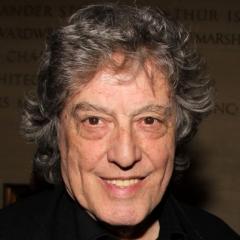
Tom Stoppard
Tom Stoppard is a renowned British playwright, born on July 3, 1937. His works are known for their witty dialogue and complex structure, with notable plays including 'Rosencrantz and Guildenstern Are Dead' and 'The Real Thing'. Stoppard has received multiple Tony Awards and Olivier Awards for his contributions to theatre. more
You May Also Like
Source: Shouting at the Rain
Source: Fourth Wing
“No hesitation, his brain matter splattered like a blooming flower from the soil of his skull.”
Source: The Cycle of Eden: Two Sides of Corruption
Source: Eduardo I Longshanks
“Go out there and add value as much as you can, so that you can contribute to the world of success.”
Source: The Kind of Substance You Need For Your Success
Source: Guards! Guards!
“Why are you doing this to me?”
Source: Dona