“Quizá la mayor facultad que posee nuestra mente sea la capacidad de sobrellevar el dolor. El pensamiento clásico nos enseña las cuatro puertas de la mente, por las que cada uno pasa según sus necesidades. La primera puerta es la puerta del sueño. El sueño nos ofrece un refugio del mundo y de todo su dolor. El sueño marca el paso del tiempo y nos proporciona distancia de las cosas que nos han hecho daño. Cuando una persona resulta herida, suele perder el conocimiento. Y cuando alguien recibe una noticia traumática, suele desvanecerse o desmayarse. Así es como la mente se protege del dolor: pasando por la primera puerta. La segunda es la puerta del olvido. Algunas heridas son demasiado profundas para curarse, o para curarse deprisa. Además, muchos recuerdos son dolorosos, y no hay curación posible. El dicho de que es falso. El tiempo cura la mayoría de las heridas. El resto están escondidas detrás de esa puerta. La tercera es la puerta de la locura. A veces, la mente recibe un golpe tan brutal que se esconde en la demencia. Puede parecer que eso no sea beneficioso, pero lo es. A veces, la realidad es solo dolor, y para huir de ese dolor, la mente tiene que abandonar la realidad. La última puerta es la de la muerte. El último recurso. Después de morir, nada puede hacernos daño, o eso nos han enseñado.”
Quote by Patrick Rothfuss
Book:The Name of the Wind
Work
The Name of the Wind
Browse quotes and source details for this work. more
Author
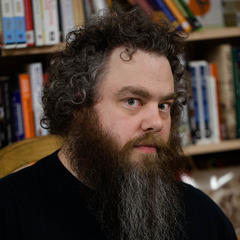
Patrick Rothfuss
Patrick Rothfuss, born on June 6, 1973, is a renowned American writer known for his works in the fantasy genre. His most famous series is 'The Name of the Wind,' which has gained widespread acclaim for its unique narrative style and profound philosophical insights. more
You May Also Like
Source: Norwegian Wood
Source: Quizás mañana la palabra amor...
Source: La Mécanique du cœur
Source: American Psycho
“Que mi dolor permanezca embriagado, cantando sus propias canciones de amor.”
Source: Fahrenheit 451
“Un fragmento de la vida, cada momento me es arrancado con dolor y se escapa.”