Quotessence
Home / Quotes / Quote by Bret Easton Ellis

Quote by Bret Easton Ellis

Work

American Psycho

American Psycho is a controversial novel that delves into the mind of Patrick Bateman, a wealthy and seemingly successful young man who is also a serial killer. The narrative is told from Bateman's perspective, offering a chilling and often surreal glimpse into his life, his relationships, and his descent into madness. The novel is known for its graphic violence, satirical commentary on the materialism and emptiness of the 1980s, and its unconventional narrative style. more
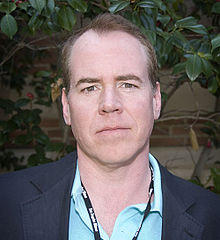
Author

Bret Easton Ellis
Bret Easton Ellis

American novelist known for his profound insights into modern urban life and sharp criticism. His works, including 'Less Than Zero' and 'The Rules of Attraction', are renowned for their unique narrative style and sharp social observations. more

You May Also Like

“Montag tried to see the men's faces, the old faces he remembered from the firelight, lined and tired. He was looking for a brightness, a resolve, a triumph over tomorrow that hardly seemed to be there. Perhaps he had expected their faces to burn and glitter with the knowledge they carried, to glow as lanterns glow, with the light in them. But all the light had come from the campfire, and these men had seemed no different than any others who had run a long race, searched a long search, seen good things destroyed, and now, very late, were gathered to wait for the end of the party and the blowing out of the lamps. They weren't at all certain that the things they carried in their heads might make every future dawn glow with a purer light, they were sure of nothing save that the books were on file behind their quiet eyes, the books were waiting, with their pages uncut, for the customers who might come by in later years, some with clean and some with dirty fingers. Montag squinted from one face to another as they walked. "Don't judge a book by its cover," someone said. And they all laughed quietly, moving downstream.”

“El trabajo de abrir el pecho, no con voluntad: "¡Hay que abrir el pecho!" - ¿De dónde puede salir el movimiento que permitiría ampliar el espacio entre el hombro y el esternón? Trabajo que desgarra la piel por dentro. - ¿Es necesario desgarrarse? ¿No habrá otra forma de abrirse? Un abrir sin desgarrarse. Difícil equilibrio. Cada uno lo prueba con su propio cuerpo. Y hay respiraciones que parecen detenerse o simplemente se van quebrando de a poco. - ¿Y si hay dolor? - pregunta alguien del grupo. - No cerrarse, dejen que el dolor encuentre su salida. Pero, dejar que salga el dolor no es tarea fácil, implica el deseo de no querer el dolor que a veces ha sido necesario para sentirse viva. - Un dolorcito, por amor de Dios... El deseo de no desear el dolor.”