“It is said that life is of small account compared to right-mindedness; in truth, it is right-mindedness that is most esteemed. Nothing is more precious than life, yet at the moment when we must throw away this valued life and stand on right-mindedness, there is nothing more highly esteemed than right-mindedness. Looking carefully at the world, we can see that there are many people who throw away their lives lightly, but do you suppose that one person in a thousand would die for right-mindedness? It would seem that, among the humble servant class, contrary to what you might expect, there are many who would. Yet, it would be difficult for people who think themselves wise to do the same.”
Quote by Takuan Soho
Work
The unfettered mind: writings of the Zen master to the sword master
This book is a compilation of teachings from a Zen master to a sword master, delving into the principles of mindfulness, concentration, and the spirit of discipline. It provides a unique perspective on the relationship between Zen practice and martial arts training, emphasizing the importance of mental clarity and emotional balance in the pursuit of excellence. more
Author
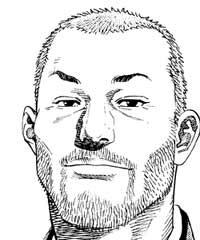
Takuan Soho
Takuan Soho (1573-1645) was a renowned Japanese Zen Buddhist monk, martial artist, and calligrapher. His life was marked by his involvement in Zen practice, martial arts research, and calligraphy creation. more
You May Also Like
“To defeat facial recognition technology, disguise your face to look like who you really are.”
“Zen is when the neighbours think you've completely lost it!”
Source: The Beasts of Success
Source: Zen Fool Ryokan
“When? When? How eagerly I've been waiting. Now that you are here What more do I want?”
Source: Zen Fool Ryokan
“Without awakening (satori) there is no Zen.”
Source: Zen: The Authentic Gate
Source: Zen: The Authentic Gate
“God is fucking stealing souls again!”
Source: The Last Days of Judas Iscariot
Source: Zen: The Authentic Gate
Source: Zen: The Authentic Gate