Quotessence
Home / Quotes / Quote by Gabriele d'Annunzio

Quote by Gabriele d'Annunzio

“But the daily tasks and prayers of men, the ancient city tired from having lived too long, the ravaged marble and worn out bells, all those things oppressed by the weight of memories, all those perishable things were rendered humble in comparison with the tremendous blazing Alps that tore at the sky with their thousand unyielding spikes, a vast, solitary city that was waiting, perhaps, for a new race of Titans.”

Quote by Gabriele d'Annunzio

Work

The Flame

Browse quotes and source details for this work. more

Author

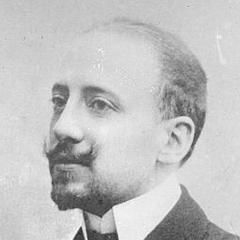
Gabriele d'Annunzio
Gabriele d'Annunzio

Italian poet, playwright, novelist, and journalist, known for his passionate style and rebellious spirit. His works covered a wide range of themes, including love, war, nature, and religion. more

You May Also Like

“Le poison de Venise, c’est la féerie d’une architecture de songe dans la douceur d’une atmosphère de soie ; ce sont les trésors des siècles, amassés là par une race de marchands et de pirates, la magnificence de l’Orient et de l’ancienne Byzance miraculeusement alliée à la grâce de l’art italien, les mosaïques de Saint-Marc et le revêtement rosé du palais ducal ; le poison de Venise, c’est la solitude de tant de palais déserts, le rêve des lagunes, le rythme nostalgique des gondoles, le grandiose de tant de ruines ; dans des colorations de perles —perles roses à l’aurore et noires au crépuscule —, le charme de tristesse et de splendeur de tant de gloires irrémédiablement disparues ; et dans le plus lyrique décor dont se soit jamais enivré le monde, la morbide langueur d’une pourriture sublime.”

“Each time Vesuvius erupted, it covered its slopes with a deep layer of a remarkable natural fertilizer called potash, and as a result the mountain supported dozens of species of fruit and vegetables which grew nowhere else in all Italy, a culinary advantage which more than compensated for the area's occasional dangers. In the case of apricots, the varieties included the firm-fleshed Cafona, the juicy Palummella, the bittersweet Boccuccia liscia, the peachlike Pellecchiella and the spiky-skinned but incomparably succulent Spinosa.”