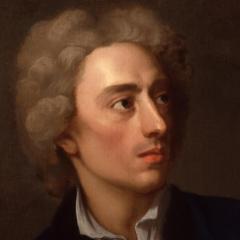
Filter quotes by topic
Famous Alexander Pope Quotes
“Wretches hang that jurymen may dine.”
Source: The Poetical Works of Alexander Pope
Source: A Supplementary Volume to the Works of Alexander Pope, Esq: Containing Pieces of Poetry, Not Inserted in Warburton's and Warton's Editions : and a Collection of Letters, Now First Published
Source: Poems: Pastoral poetry, and An essay on criticism
Source: The prose works of Alexander Pope: The major works, 1725-1744
“Oh, blindness to the future! kindly giv'n, That each may fill the circle mark'd by heaven.”
Source: An Essay on Man: In Four Epistles to H. St. John Lord Bolinbroke. To which are Added the Universal Prayer, Messiah, and Elegy
Source: The Poetical Works of Alexander Pope
Source: A Supplementary Volume to the Works of Alexander Pope, Esq: Containing Pieces of Poetry, Not Inserted in Warburton's and Warton's Editions : and a Collection of Letters, Now First Published
“Cavil you may, but never criticise.”
Source: The Works of Alexander Pope, Esq: In Eight Volumes, Complete
Source: An Essay on Man: And Other Poems
Source: The Poetical Works of Alexander Pope. ...
Source: The poetical works: with his last corrections, additions and improvements : with the life of the author ; embellished with superb engravings
Source: Poetical Works, to which is Prefixed the Life of the Author
“Beauties in vain their pretty eyes may roll; charms strike the sight, but merit wins the soul.”
“The hungry judges soon the sentence sign, and wretches hang that jurymen may dine.”
“Content if hence th' unlearn'd their wants may view, The learn'd reflect on what before they knew.”
Source: The Works of Alexander Pope
Source: The Works of Alexander Pope, Esq: With Notes and Illustrations by Himself and Others. To which are Added, a New Life of the Author, an Estimate of His Poetical Character and Writings, and Occasional Remarks,
“A man of business may talk of philosophy; a man who has none may practice it.”
Source: The Correspondence
“We may see the small value God has for riches, by the people he gives them to.”
Source: The works of Alexander Pope. With a selection of explanatory notes, and the account of his life by dr. Johnson